

What is the price of pagoda tent
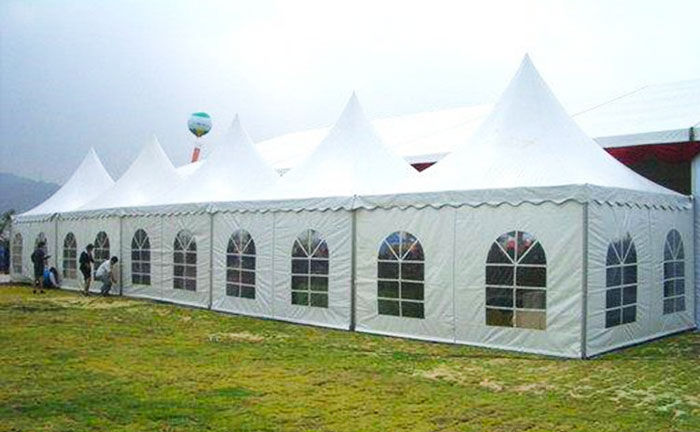
The pagoda tent, a versatile and elegant structure often used for outdoor events, weddings, festivals, and commercial exhibitions, has become a staple in the event industry. Its distinctive design—characterized by a high peak, sloping roof, and modular framework—makes it both visually appealing and functional. However, one of the most common questions prospective buyers or renters ask is: What is the price of a pagoda tent? The answer, as with many specialized products, depends on multiple factors, including size, material, customization options, and supplier pricing strategies. This article explores these variables in detail to provide a comprehensive understanding of pagoda tent costs.
1.Understanding Pagoda Tents: Features and Applications
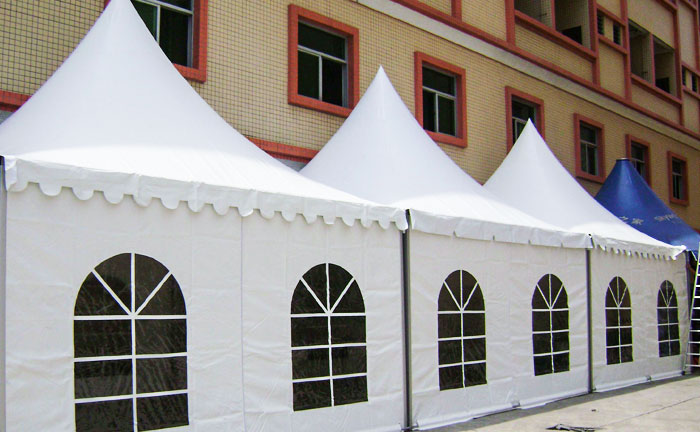
Before diving into pricing, it’s essential to grasp why pagoda tents are popular. Unlike traditional marquee tents, pagoda tents feature a pyramid-like roof that enhances stability in windy conditions and creates a spacious interior. Their modular design allows for easy expansion by connecting multiple units, making them suitable for events of varying scales. Additionally, pagoda tents are available in a range of materials, from basic PVC-coated polyester to high-grade aluminum frames and fire-retardant fabrics, which influence their durability and cost.
Common applications include:
Corporate events and product launches
Weddings and private parties
Trade shows and exhibitions
Outdoor cafes and temporary retail spaces
2.Key Factors Influencing the Price of Pagoda Tents
The cost of a pagoda tent is not fixed; it varies based on several critical components. Below are the primary determinants of pricing:
a. Size and Dimensions
Pagoda tents come in standard sizes, typically ranging from 3m x 3m (10ft x 10ft) to 10m x 10m (33ft x 33ft) or larger. Larger tents require more materials and stronger frameworks, leading to higher costs. For example:
A 3m x 3m pagoda tent might cost between 500 and1,500.
A 6m x 6m model could range from 1,500 to 3,500.
Custom-sized tents exceeding 10m x 10m may cost $5,000 or more, depending on specifications.
b. Material Quality
The choice of materials significantly impacts both the price and longevity of a pagoda tent:
Frame Material: Aluminum frames are lightweight, corrosion-resistant, and durable but more expensive than steel. A high-quality aluminum-framed pagoda tent can cost 30–50% more than a steel equivalent.
Canopy Fabric: Options include standard PVC, waterproof polyester, or UV-resistant and fire-retardant materials. Premium fabrics add 20–40% to the base price.
c. Customization and Accessories
Additional features can increase costs:
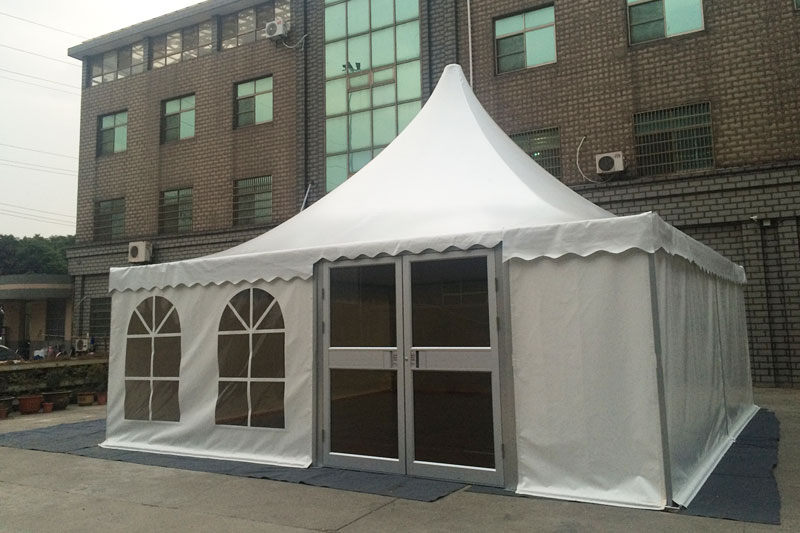
Sidewalls: Transparent, solid, or mesh sidewalls enhance privacy and weather protection but add 100–500 per unit.
Flooring: Raised wooden platforms or interlocking tiles raise the price by 5–15 per square foot.
Lighting and Heating: Integrated LED lights, chandeliers, or heaters may cost 200–1,000 extra, depending on complexity.
Branding: Custom logos or graphics printed on the canopy can add 300–800 to the total.
d. Rental vs. Purchase
For short-term needs, renting a pagoda tent is often more cost-effective. Rental prices typically range from 100 to 500 per day for smaller tents, while larger or customized units may cost 1,000–3,000 daily. Purchasing a pagoda tent is a better long-term investment for frequent users but requires a higher upfront cost.
e. Supplier and Location
Prices vary by region and supplier due to differences in labor costs, material availability, and competition. For instance, purchasing a pagoda tent in Europe or North America may cost 10–20% more than in Asia, where manufacturing costs are lower. Additionally, established suppliers with a reputation for quality may charge a premium compared to newer or budget-focused vendors.

3.Comparing Prices Across Different Pagoda Tent Models
To illustrate how pricing varies, consider the following hypothetical examples:
Basic Model: A 3m x 3m steel-frame pagoda tent with standard PVC fabric and no accessories might cost 600–1,200.
Mid-Range Model: A 6m x 6m aluminum-frame tent with waterproof fabric, sidewalls, and basic lighting could range from 2,500–4,000.
Premium Model: A 10m x 10m custom-designed pagoda tent with fire-retardant fabric, branded graphics, and luxury flooring might exceed $8,000.
4.Tips for Budgeting and Cost Optimization
If you’re planning to invest in a pagoda tent, consider these strategies to manage costs:
Buy Used or Refurbished: Second-hand pagoda tents in good condition can save 30–50% compared to new ones.
Negotiate Bulk Discounts: Purchasing multiple tents or accessories from the same supplier may qualify you for reduced pricing.
Prioritize Essentials: Skip unnecessary features like elaborate lighting if budget constraints exist.
Rent for One-Time Events: Avoid the long-term commitment of buying if the tent is only needed temporarily.
Conclusion
The price of a pagoda tent is influenced by a complex interplay of factors, including size, materials, customization, and supplier dynamics. While smaller, basic models can be affordable for personal use, larger or premium pagoda tents represent a significant investment suited for commercial ventures. By carefully evaluating your needs—whether for rental or purchase, standard or custom designs—you can strike a balance between cost and quality. Ultimately, the pagoda tent’s versatility and aesthetic appeal make it a worthwhile expense for those seeking to create memorable outdoor spaces. Whether you’re hosting a corporate event, a wedding, or a festival, understanding the pricing landscape ensures you select the right pagoda tent for your budget and requirements.