

What is the difference between a pagoda and a canopy
When planning outdoor events, weddings, festivals, or corporate gatherings, the choice of shelter plays a pivotal role in defining the ambiance, functionality, and aesthetic appeal. Two popular structures—pagoda tents and canopies—are often considered, yet their distinct designs, purposes, and applications can confuse even seasoned event planners. While both provide shade and protection from the elements, their structural differences, versatility, and suitability for various settings set them apart. This article delves into the nuances of pagoda tents and canopies, exploring their definitions, key differences, and practical applications to help you make an informed decision.
What is a Pagoda Tent?
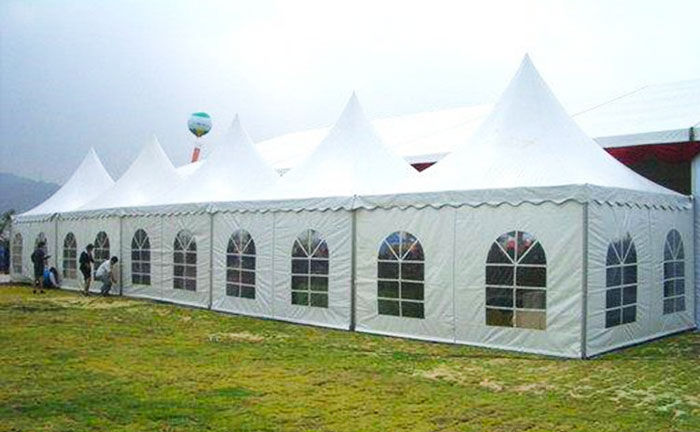
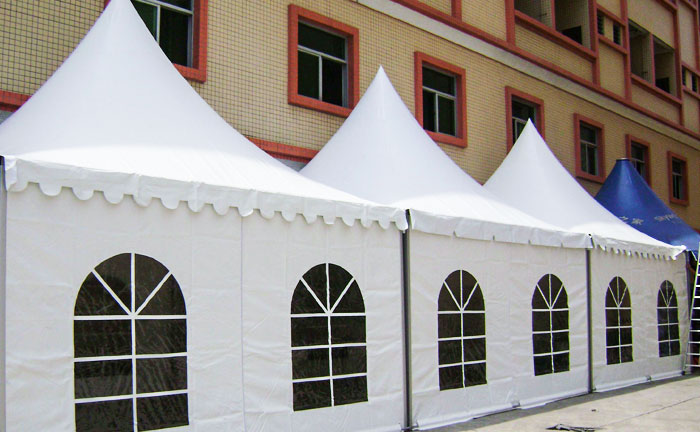
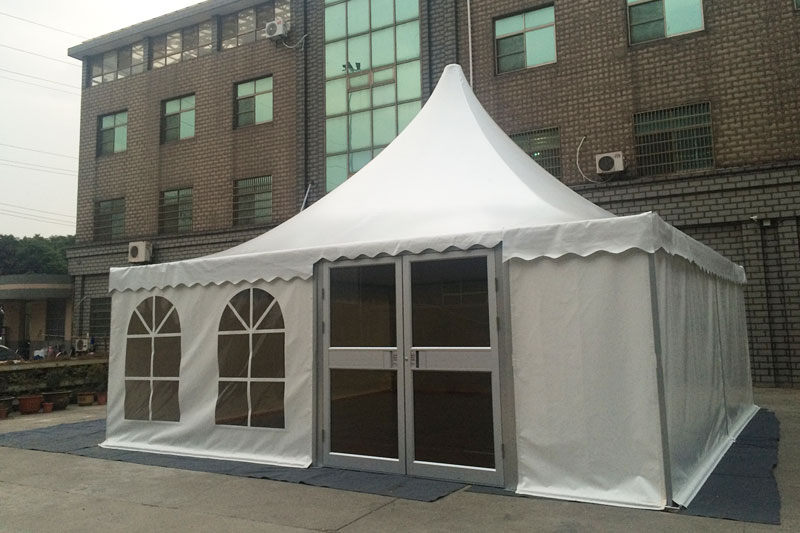
A pagoda tent is a specialized outdoor structure characterized by its elegant, tiered roof design inspired by traditional Asian pagodas. Often referred to as a pagoda canopy, these structures feature a steeply pitched, multi-layered roof that converges at a central peak, creating a visually striking silhouette. Pagoda tents are typically constructed using durable materials like aluminum frames and waterproof PVC or polyester fabrics, ensuring stability and weather resistance.
Key Features of Pagoda Tents:
Aesthetic Appeal: The pagoda tent’s unique architecture adds a touch of sophistication to events, making it ideal for weddings, garden parties, and high-end corporate functions.
Customization: Available in various sizes (from small 5m x 5m units to large 20m x 20m configurations), pagoda tents can be customized with sidewalls, windows, and lighting to suit specific themes.
Structural Integrity: The steep roof design prevents water accumulation, making pagoda tents suitable for rainy climates.
Versatility: While primarily used for events, pagoda tents can also serve as semi-permanent structures for cafes, markets, or exhibition booths.
For example, a luxury wedding might opt for a white pagoda tent adorned with fairy lights and drapery, creating an enchanting atmosphere that blends tradition with modernity.

What is a Canopy?
A canopy, in contrast, is a simpler, more functional outdoor shelter. It typically consists of a flat or slightly sloped roof supported by poles or a frame, with minimal side coverage. Canopies are designed for practicality, offering quick setup and portability. They are commonly used for casual gatherings, trade shows, or as temporary shade solutions in parks or backyards.
Key Features of Canopies:
Simplicity: Canopies prioritize ease of use over aesthetics, making them ideal for budget-conscious events or DIY setups.
Portability: Lightweight materials like steel or fiberglass frames and polyester fabrics allow for easy transportation and assembly.
Affordability: Canopies are generally less expensive than pagoda tents, appealing to small businesses or individuals hosting informal events.
Limited Customization: While some canopies offer sidewalls or branding options, they lack the architectural flair of pagoda tents.
A typical use case might involve a local farmer’s market using canopies to shield vendors from the sun, prioritizing functionality over visual impact.
Differences Between Pagoda Tents and Canopies
The distinctions between pagoda tents and canopies can be categorized into four main areas:
Design and Structure:
Pagoda tents feature a tiered, peaked roof with intricate framing, while standard canopies have a flat or single-slope design. However, pagoda canopies bridge the gap by incorporating tiered roofing into a more accessible design.
Pagoda tents require professional installation due to their complexity, whereas canopies can often be assembled by individuals.
Purpose and Functionality:
Pagoda tents are suited for formal events requiring ambiance and durability.
Canopies excel in providing basic shelter for casual or short-term use.
Cost and Investment:
Pagoda tents involve higher upfront costs but offer long-term value for recurring events.
Canopies are cost-effective for one-time or infrequent use.
Aesthetic Versus Practicality:
Pagoda tents elevate the visual appeal of an event, acting as a focal point.
Canopies prioritize utility, often blending into the background.
Pagoda Tent vs. Canopy: Which is Worth Choosing?
The decision between a pagoda tent and a canopy hinges on your event’s scale, budget, and aesthetic goals.
Opt for a Pagoda Tent If:
You need a durable, weather-resistant structure for high-profile events.
Customization and branding are critical (e.g., corporate logos on sidewalls).
You aim to create a memorable, upscale atmosphere.
Choose a Canopy If:
You require a quick, affordable solution for a small gathering.
Portability and ease of setup are priorities.
The event is casual, and visual appeal is secondary.
For instance, a music festival might use pagoda tents for VIP areas and canopies for vendor stalls, balancing luxury with practicality.
Conclusion
In the realm of outdoor structures, pagoda tents and canopies serve distinct roles. The pagoda tent stands out for its architectural elegance, durability, and suitability for formal events, making it a worthy investment for those seeking to impress. Canopies, meanwhile, offer simplicity and affordability for everyday use. Ultimately, the choice depends on your specific needs—whether you prioritize aesthetics, functionality, or budget.
For events where ambiance and longevity matter, the pagoda tent emerges as the superior option, blending tradition with modern engineering. However, canopies remain indispensable for quick, cost-effective solutions. By understanding these differences, you can select the ideal shelter to elevate your next outdoor occasion.