

How big of a tent for a 100 person wedding
Planning an outdoor wedding for 100 guests involves countless decisions, but one of the most critical is selecting the right tent size. A wedding tent not only shelters guests from unpredictable weather but also sets the tone for the entire celebration. Choosing the correct dimensions ensures comfort, safety, and an aesthetically pleasing environment. This guide explores how to determine the ideal tent size for a 100-person wedding, factors influencing the decision, and tips for working with a reliable wedding tent supplier.
Understanding Space Requirements
The first step in selecting a 100 person wedding tent is calculating the square footage needed per guest. Industry standards suggest allocating 10–12 square feet per person for a seated dinner with chairs and tables. For a 100-person wedding, this translates to 1,000–1,200 square feet of space. However, this is a baseline figure. Additional elements like dance floors, buffet tables, bars, or staging areas for bands or DJs will require extra room.
For example, a 20’ x 50’ tent (1,000 square feet) might suffice for a simple seated dinner, but adding a dance floor or buffet stations would necessitate a larger tent, such as a 30’ x 40’ (1,200 square feet) or even a 40’ x 40’ (1,600 square feet) structure. Couples should also consider aisle space for ceremonies, gift tables, and room for staff to move freely.
Tent Styles and Their Impact on Space
Wedding tents come in various styles, each affecting how space is utilized:
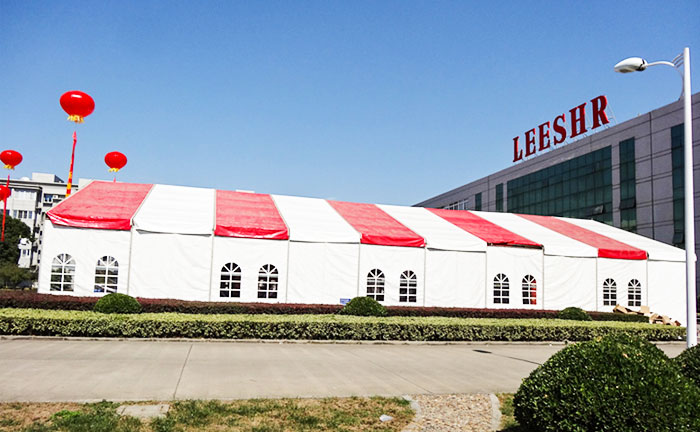
1.Frame Tents: These have no center poles, offering unobstructed interior space. Ideal for layouts requiring flexibility, such as mixed seating and dance areas.
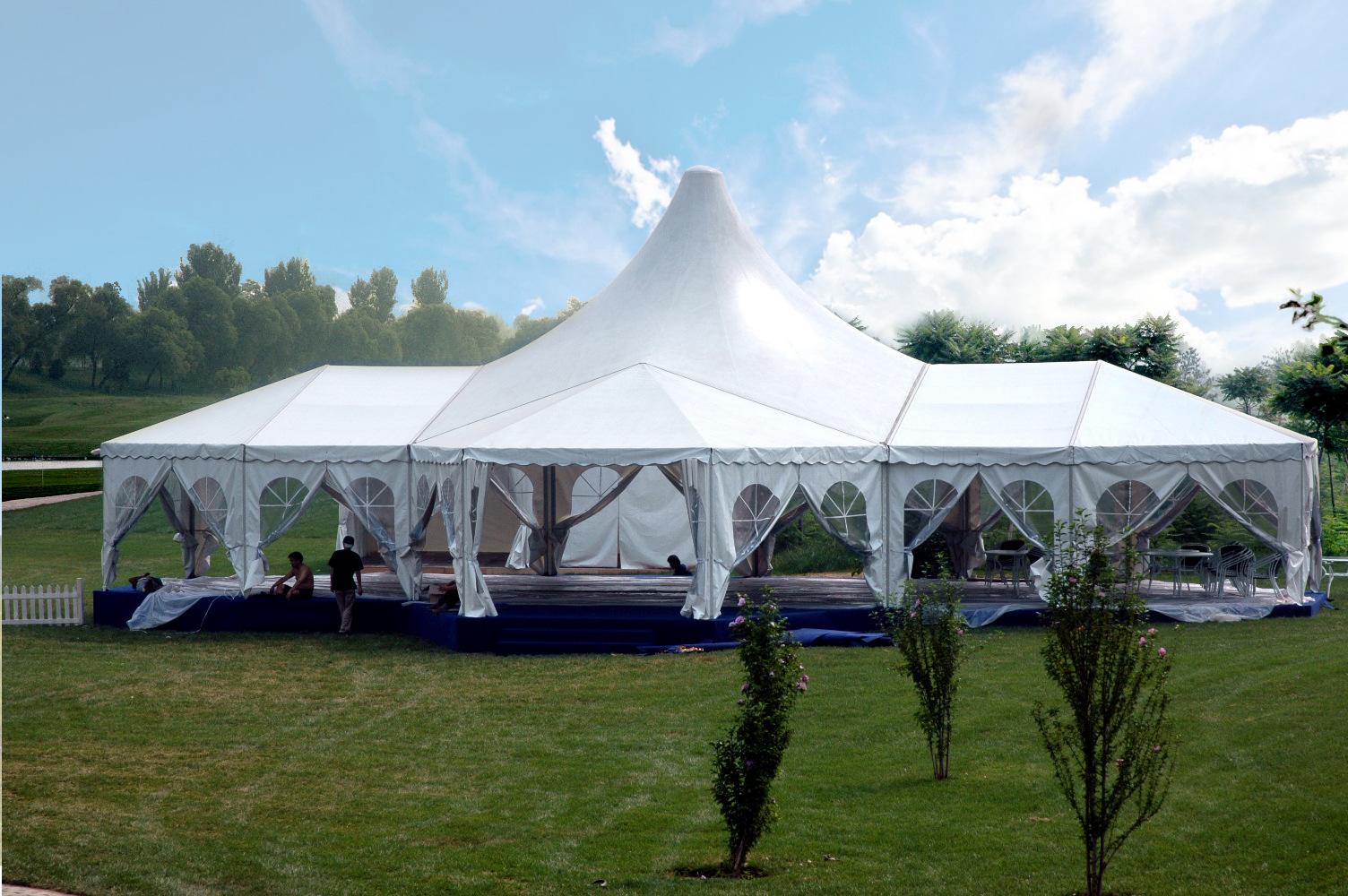
2.Pole Tents: Supported by central poles, these create a classic, elegant look but reduce usable floor space. They work best for ceremonies or receptions with fewer interior structures.
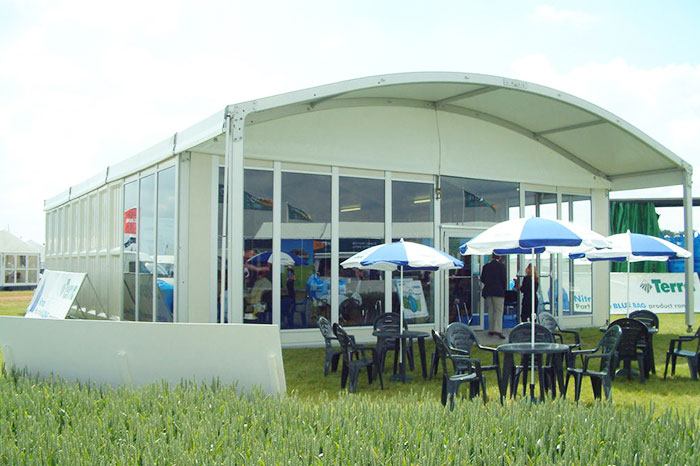
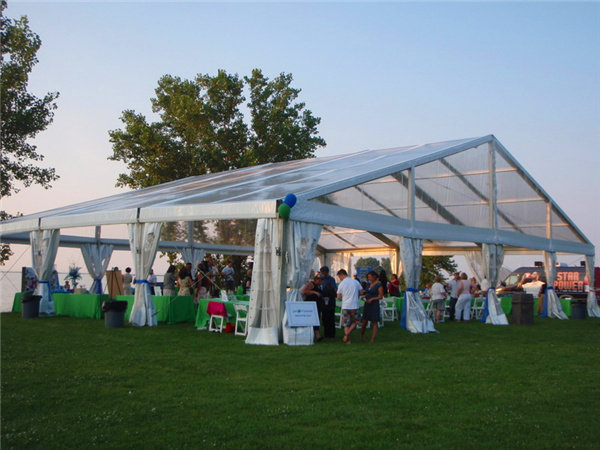
3.Clear-Span Tents: Similar to frame tents but with larger spans, these are perfect for grand setups with multiple zones (e.g., dining, dancing, lounges).
The style chosen impacts how much square footage is effectively usable. For instance, a pole tent’s central poles might require guests to sit farther apart, increasing the per-person space requirement.

Layout Considerations
A 100-person wedding tent’s functionality depends on its layout. Here’s how to optimize space:
Seating Arrangements: Round tables seating 8–10 guests each require more room than long banquet tables. A 60” round table occupies about 100 square feet (including chairs), while a 8’ banquet table with chairs uses roughly 60 square feet.
Dance Floor: A 12’ x 12’ dance floor (144 square feet) accommodates 20–30 dancers. Larger gatherings may need a 16’ x 16’ floor (256 square feet).
Buffet and Bar Areas: Allow 6–8 square feet per person for buffet lines and 4–6 square feet for bars.
Ceremony Space: If the tent hosts both the ceremony and reception, factor in an aisle (3–4 feet wide) and seating for 100 guests (about 800–1,000 square feet).
A well-planned layout ensures guests aren’t cramped. For example, a 30’ x 50’ tent (1,500 square feet) could comfortably fit 10 round tables (100 guests), a 12’ x 12’ dance floor, and two buffet stations.
Weather and Terrain Factors
Outdoor weddings must account for weather and ground conditions. A wedding tent supplier should assess the site to determine if additional anchoring or flooring is needed. Soft or uneven ground may require a frame tent with weighted anchors, while rocky terrain might limit pole placement.
Wind resistance is another consideration. Larger tents with higher ceilings catch more wind, so suppliers often recommend sidewalls or staking systems for stability. Additionally, rain or extreme heat necessitates sidewalls, heaters, or fans, which occupy interior space.
Working with a Wedding Tent Supplier
Partnering with a reputable wedding tent supplier is crucial. Experienced suppliers offer:
Site Inspections: Professionals evaluate the venue to recommend the best tent style and size.
Customization:Options for lighting, flooring, linens, and heating/cooling systems enhance the tent’s functionality.
Logistical Support: Delivery, setup, and takedown services ensure a seamless experience.
When selecting a supplier, review their portfolio of past events, particularly 100-person wedding tents, to gauge their expertise. Ask about insurance, permits, and backup plans for inclement weather.
Common Mistakes to Avoid
Underestimating Space: Failing to account for dance floors, bars, or staff movement can lead to a cramped atmosphere.
Ignoring Weather: Skipping sidewalls or heaters risks discomfort if conditions change.
Overcomplicating Layouts: Too many zones (e.g., multiple bars, photo booths) can fragment space. Prioritize essentials.
Choosing Style Over Function: While pole tents look romantic, frame tents often offer better space utilization for complex layouts.
Conclusion
Selecting the right wedding tent for a 100-person celebration requires balancing square footage, layout efficiency, and style. A 1,200–1,600-square-foot tent typically accommodates 100 guests with room for dining, dancing, and amenities, but factors like terrain, weather, and event design may necessitate adjustments. Collaborating with a skilled wedding tent supplier ensures the chosen structure meets practical needs while reflecting the couple’s vision.
Investing in a properly sized 100-person wedding tent enhances comfort, safety, and aesthetics, turning an outdoor venue into a memorable backdrop. By prioritizing clear communication with a wedding tent supplier and considering all logistical elements, couples can create a seamless and enchanting experience under the canopy of their dream wedding tent.