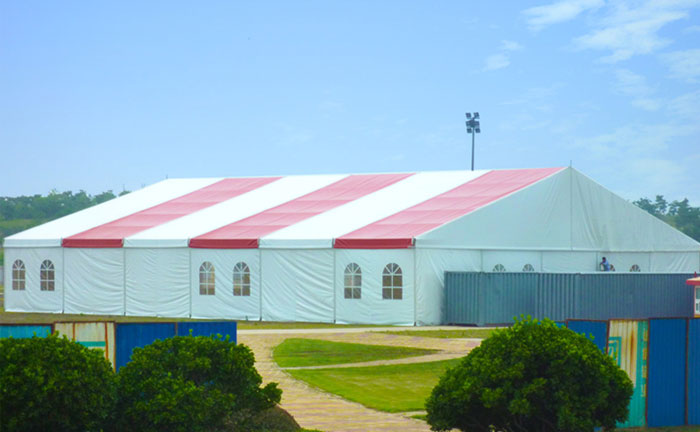


How to make a party tent out of tarp
Planning an outdoor party or gathering often hinges on having a reliable shelter to protect guests from unexpected weather while creating a cozy, inviting atmosphere. A party tent is a staple for such events, but purchasing one can be expensive, especially for one-time use. Fortunately, with a little creativity and basic materials, you can craft a functional and stylish party tent using a tarp—a versatile, durable, and affordable alternative. Whether you’re hosting a backyard birthday, a garden wedding, or a casual picnic, a DIY tarp tent provides flexibility in size, design, and budget. This guide will walk you through the steps to build your own party tent, share critical safety tips, and inspire you to customize it for any occasion.
Part 1: How to Build a Party Tent Out of Tarp
Creating a party tent from a tarp requires careful planning to ensure stability and weather resistance. Below is a step-by-step method to construct a basic A-frame tent, which is easy to assemble and adaptable to various spaces.
Materials Needed
Heavy-duty tarp (size depends on your desired tent dimensions; e.g., 12’x16’ for a medium-sized tent)
4–6 sturdy poles (wooden broom handles, PVC pipes, or metal rods work well)
Rope or paracord (at least 50 feet total)
Tent stakes or heavy rocks
Scissors or a utility knife
Optional: grommet repair kit (if your tarp lacks pre-installed grommets)
Optional: sandbags or weights for additional stability
Step-by-Step Instructions
1.Choose a Location
Select a flat, open area free of sharp objects or low-hanging branches. Ensure the ground is dry to prevent slipping. If possible, position the tent near trees or structures to anchor ropes securely.
2.Prepare the Tarp
Lay the tarp flat on the ground. If it lacks grommets (metal-rimmed holes for ropes), use a grommet kit to add them at each corner and along the edges, spaced 1–2 feet apart. This step is crucial for attaching ropes and poles.
3.Erect the Frame
For an A-frame tent: Place two poles vertically at each end of the tarp’s longer side. Angle them outward slightly for stability.
Drape the tarp over the poles, ensuring equal overhang on both sides.
Insert additional poles under the tarp’s center (if needed) to create a ridge for rain runoff.
4.Secure the Structure
Tie ropes to each grommet and anchor them to the ground using stakes or heavy rocks. Pull ropes taut to prevent sagging.
For windy conditions, add diagonal ropes from the top of the poles to the ground for extra support.
Use sandbags or weights to press down the tarp’s edges if stakes aren’t feasible (e.g., on concrete).

5.Customize Your Party Tent
Add string lights, fabric drapes, or bunting to enhance the ambiance.
Place rugs or mats inside for comfort.
Use sidewalls (extra tarps or blankets) to block wind or provide privacy.
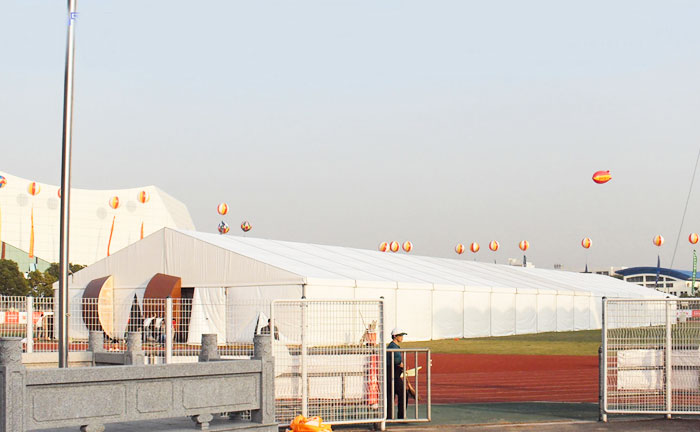
While crafting a DIY tarp tent is a fun and cost-effective solution for small backyard gatherings, larger events or outdoor sports activities often require more robust, professional-grade structures. If you are interested in seeing how heavy-duty, industrial tarps are utilized in large-scale professional setups, check out the video below showcasing our Sport Tent solutions:
Part 2: Key Considerations and Safety Tips
While building a party tent from a tarp is straightforward, overlooking safety can lead to collapses or injuries. Keep these precautions in mind:
1.Weather Awareness
Avoid setting up the tent in storms or high winds. Tarps are lightweight and may tear or uproot.
If rain is expected, angle the tarp slightly to encourage water runoff and prevent pooling.
2.Sturdy Anchoring
Always anchor ropes firmly. Loose stakes or rocks can cause the tent to collapse.
Test the tent’s stability by gently shaking the poles before the event.
3.Fire Safety
Keep open flames (candles, grills) away from the tarp. Most tarps are flammable.
Use battery-operated lights instead of candles for illumination.
4.Material Quality
Invest in a thick, waterproof tarp (e.g., polyethylene or canvas) to withstand wear and tear.
Check for holes or weak spots before assembly. Patch them with duct tape if necessary.
5.Space Planning
Ensure the tent is large enough to accommodate guests and furniture without overcrowding.
Leave pathways for easy movement and emergency exits.
Part 3: Conclusion: The Benefits of a DIY Party Tent
Building a party tent from a tarp is a cost-effective, eco-friendly solution that doesn’t compromise on style or functionality. This approach allows you to tailor the tent’s size, shape, and decor to match your event’s theme while avoiding the hefty price tag of commercial tents. Additionally, the portability of tarps makes them ideal for impromptu gatherings or locations where permanent structures aren’t an option.
However, success hinges on proper preparation. By selecting durable materials, anchoring the tent securely, and monitoring weather conditions, you can create a safe and inviting space for guests to enjoy. Whether you’re hosting a children’s birthday, a corporate picnic, or a rustic wedding, a DIY tarp party tent proves that creativity and resourcefulness can transform simple materials into a memorable centerpiece.
In a world where sustainability and budget-consciousness are increasingly valued, mastering the art of the tarp party tent is a skill worth honing. So gather your materials, rally friends for help, and get ready to impress your guests with a shelter that’s as functional as it is charming!