

What is the difference between a tent and a marquee
When planning an outdoor event or adventure, the choice of shelter can significantly impact the experience. Two common options—tents and marquees—are often mentioned, but their distinct purposes and features can confuse even seasoned organizers. While both provide temporary cover, their designs, scales, and applications differ dramatically. This article explores the nuances of marquee tents, clarifying their definitions, highlighting their differences, and guiding readers on selecting the right option for their needs.
What is a Tent?
A tent is a portable shelter typically constructed from lightweight fabric stretched over a flexible frame or supported by poles and ropes. Designed for mobility, tents are synonymous with camping, backpacking, and emergency relief. Their compact size and ease of assembly make them ideal for personal or small-group use.
Key Features of a tent:
Portability: Tents are lightweight and foldable, fitting into backpacks or car trunks.
Versatility: They come in various shapes (dome, tunnel, pyramid) and sizes, accommodating 1–10+ people.
Weather Resistance: Modern tents use waterproof materials like nylon or polyester to shield against rain and wind.
Quick Setup: Most tents can be assembled in minutes with minimal tools.
Tents are perfect for camping trips, music festivals, or backyard sleepovers. However, their small footprint limits their use for large gatherings or formal events.
What is a Marquee?
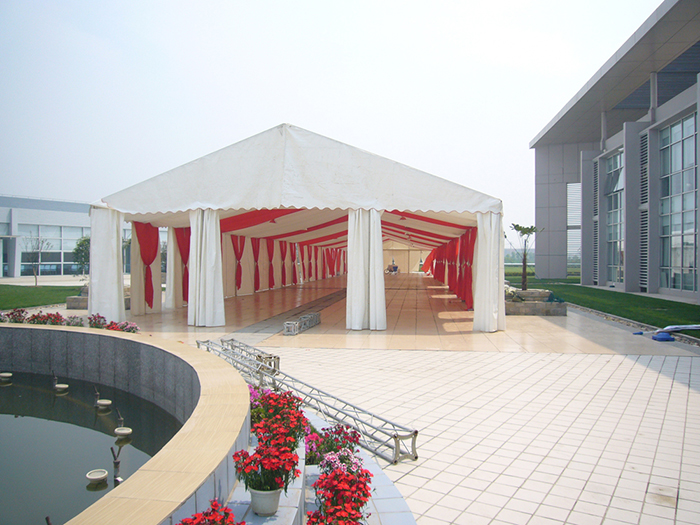
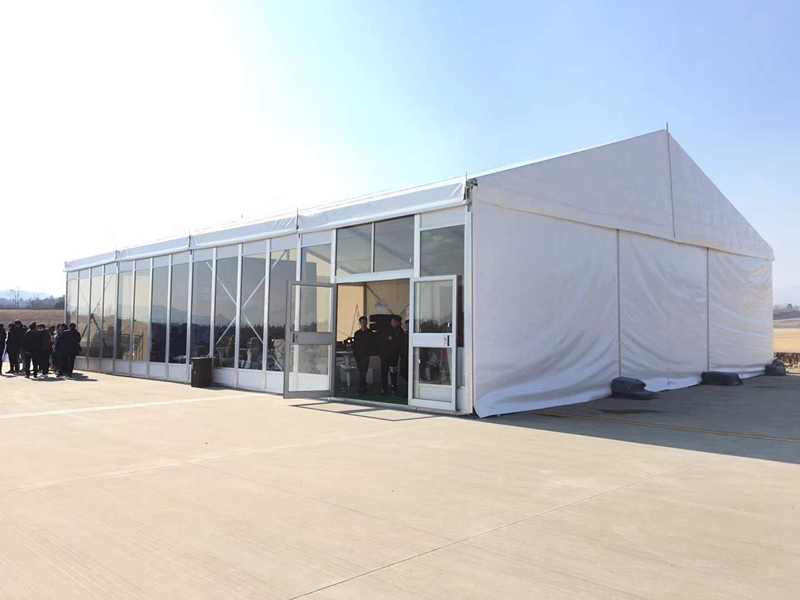
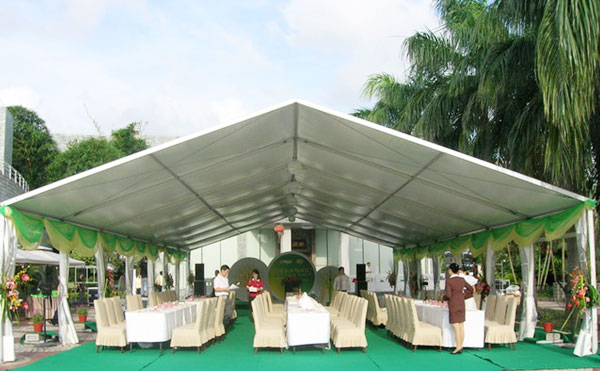
A marquee is a large, semi-permanent structure designed for events, weddings, or commercial purposes. Unlike tents, marquees are engineered to cover expansive areas, often spanning hundreds of square feet. They are sturdier and more elaborate, featuring reinforced frames and heavy-duty canopies.
Key features of a marquee:
Size: Marquees accommodate 50–1,000+ guests, with modular designs allowing customization.
Durability: Built with steel or aluminum frames and PVC or vinyl canopies, marquees withstand harsh weather.
Aesthetics: They often include windows, linings, and decorative elements for upscale events.
Installation: Marquees require professional setup due to their size and complexity.
The term marquee tent is sometimes used interchangeably with "marquee," but it specifically refers to marquees that blend tent-like portability with the scale of traditional marquees.
These hybrid structures are popular for corporate events or trade shows.

Key Differences Between Tents and Marquees
1.Scale and Capacity
Tents are compact, suitable for 1–20 people.
Marquees are vast, hosting hundreds of guests. A marquee tent bridges this gap but leans toward larger gatherings.
2.Purpose
Tents prioritize mobility and simplicity for camping or casual use.
Marquees focus on grandeur and functionality for formal events.
3.Materials and Construction
Tents use lightweight fabrics and flexible poles.
Marquees employ heavy-duty materials like steel frames and thick PVC canopies.
4.Setup Complexity
Tents can be pitched by individuals in minutes.
Marquees require teams and specialized equipment, often taking hours to install.
5.Cost
Tents are affordable, with prices ranging from 20 to 500.
Marquees cost thousands of dollars, including rental and labor fees.

Which is More Worth Choosing: Tent or Marquee?
The decision hinges on your event’s scale, budget, and purpose.
Choose a tent if:
You need a portable, cost-effective solution for camping or small gatherings.
You prefer DIY setup without professional help.
Your event is informal or short-term.
Choose a marquee (or marquee tent) if:
You’re hosting a wedding, corporate event, or festival requiring space and elegance.
You need a semi-permanent structure that withstands wind and rain.
You’re willing to invest in professional installation and higher costs.
For hybrid needs, a marquee tent offers flexibility. It combines the portability of a tent with the scalability of a marquee, making it ideal for trade shows or outdoor exhibitions.
Conclusion
Tents and marquees serve distinct roles in outdoor planning. Tents excel in simplicity and mobility, while marquees dominate in scale and sophistication. The term marquee tent highlights a growing category of structures that merge these traits, catering to versatile event needs. Whether you’re pitching a tent for a weekend camping trip or erecting a marquee for a grand wedding, understanding these differences ensures you select the right shelter. By weighing factors like size, budget, and purpose, you can transform any outdoor space into a functional and memorable venue.
In summary, while tents and marquees differ in design and application, both are invaluable tools for outdoor events. The rise of the marquee tent reflects a trend toward adaptable, high-quality structures that meet diverse demands—proving that innovation in shelter design continues to evolve.