

Choosing the Right Custom Sports Tent Frame Steel vs Aluminum
Selecting the ideal custom sports tent requires a clear understanding of steel vs aluminum performance in real athletic environments. High-frequency sports events demand rapid setup, easy mobility, and wide clear-span interiors. Lightweight extruded aluminum frames deliver exceptional portability, natural rust protection, and crane-free modular assembly for busy tournament schedules. Conversely, heavy steel frames still fill specialized budget niches for permanent, stationary installations.
As a premier manufacturer of high-performance temporary shelters, Changyi builds heavy-duty shelter tents for sporting events designed for demanding athletic operations — from sideline covers to full-size court pavilions. Event coordinators must evaluate critical decision drivers before buying shelter systems:
Weight and transportation logistics
Weather resistance against humidity and UV exposure
Structural wind stability up to 100 km/h
Long-term investment returns
Key Takeaways
Aluminum weighs roughly one-third as much as steel, enabling modular, crane-free assembly by small ground crews.
Anodized aluminum naturally resists rust and corrosion, keeping custom team graphics and PVC covers clean for 15 to 20 years.
Heavy-duty aluminum frames withstand wind loads up to 100 km/h when paired with 750 gsm double PVC-coated covers.
Pole-free clear-span designs deliver 100% usable interior space for courts, spectator seating, and event equipment.
Traveling sports programs save money over time by choosing durable aluminum frames instead of low-cost steel.
Weight Factors for Custom Sports Tent Setup
Weight directly dictates setup speed and labor requirements during routine athletic operations. Raw aluminum weighs roughly one-third as much as raw steel of equivalent volume, which transforms how quickly tournament pavilions can be erected. Athletic directors and event coordinators must evaluate total structure weight before purchasing court shelter equipment. Selecting high-performance aluminum frames streamlines overall field logistics for busy athletic programs, while proper weight distribution helps ground crews erect temporary shelters safely in various weather conditions.
Modular Components and Crew Efficiency
Setup efficiency depends heavily on individual component weight and connection design. Unlike welded steel structures that often demand cranes and large installation teams, modular aluminum profile systems demonstrate clear physical advantages on the field:
Property | Anodized Aluminum Frame | Painted Steel Frame |
|---|---|---|
Relative weight | ≈ 1/3 the weight of steel | Heavy baseline structure |
Corrosion behavior | Rust-free oxide layer | Rusts at scratches and chips |
On-site assembly | Bolt-connected units, small crew | Often requires heavy machinery |
Transport efficiency | Compact unit design, high payload efficiency | Dead weight consumes cargo space |
A heavy steel canopy structure causes physical strain and scheduling risk for event crews working under tight pre-game deadlines. Conversely, unit-designed aluminum components allow staff members to move individual pieces easily across grass fields and hard courts. Rapid shelter deployment protects expensive field equipment, electronic scoreboards, and athlete staging areas from sudden rain showers, keeping tight athletic schedules running on time.
Changyi engineers every aluminum custom tent frame using hard-pressed extruded profiles with thicker wall thicknesses. This advanced engineering delivers maximum structural rigidity while preventing unnecessary physical strain during assembly.
Key factors accelerating field assembly at weekend sports tournaments include:
Modular aluminum profiles pack compact and carry light, reducing physical exertion across long movement paths.
Precision bolt connections and unit designs allow fast assembly and dismantling during rapid schedule changes.
Foldable PVC covers and small-volume frame parts simplify storage between seasonal events.
Transport Logistics and Loading Ease
Managing multi-court athletic meets requires efficient vehicle loading procedures. Tournament pavilions must load into trucks and containers quickly. Heavy steel equipment delays loading routines and consumes precious cargo space inside support vehicles. Moving bulky steel structures between distant fields increases crew fatigue, while choosing durable aluminum construction optimizes total payload capacity for transport fleets.
Event crews handling aluminum frames for custom tents enjoy simplified loading steps. The reduced frame weight allows workers to lift structural components without extra assistance or lifting machinery. Lower vehicle payload reduces fuel usage during long tournament travels, and equipment coordinators relying on aluminum tent frames save valuable time during packed tournament schedules.
Athletic programs deploying a custom sports tent gain major logistical advantages on match days. Compact frame parts stack neatly alongside sports gear and athletic equipment, and facility directors can store folded covers and profiles inside tight storage sheds between seasonal events. Lightweight aluminum frames remain the premier choice for modern athletic organizations creating custom layouts for outdoor tournaments.
Which Custom Tent Frame is Best for Weather Resistance
Evaluating which custom tent frame is best requires examining environmental exposure on open athletic fields. Outdoor tournament venues present constant environmental challenges for portable structures. Rain, severe humidity, and strong wind gusts test overall shelter stability throughout long competitive seasons. Athletic directors and event organizers must select equipment that ensures maximum weather resistance across changing climate conditions.
Rust Corrosion in Outdoor Humidity
Outdoor athletic facilities expose temporary canopy structures to severe ambient moisture and humidity. Traditional steel frames often feature basic powder coatings or thin protective surface paint. Routine field assembly and transportation create minor surface scratches or chips on painted steel. Moisture quickly penetrates these damaged areas during humid morning setups or rainstorms. Water reacts directly with exposed iron, creating destructive rust that weakens internal frame joints over time. In harsh coastal environments, steel frames face severe corrosion that limits total operational lifespan to 5-8 years.
In contrast, anodized aluminum construction develops a permanent protective oxide shield through an electrochemical process. This hard chemical layer naturally stops atmospheric oxidation without chipping or flaking off the metal core.
Anodized aluminum tent frames have a protective oxide layer that is extremely hard and prevents corrosion and rust, even when exposed to outdoor sun and rain.
Professional-grade aluminum preserves physical durability near humid coastal athletic centers. Choosing durable aluminum frames prevents unsightly rust stains from dripping onto custom team graphics, spectator seating, or field equipment.
Material | Lifespan (years) | Rust Resistance |
|---|---|---|
Anodized Aluminum | 15-20 | No rust, protected by oxide layer |
Steel | 5-8 (harsh environments) | Prone to rust |
Selecting temporary shelters built with aluminum frames extends overall longevity across 15-20 years of active tournament use. High-quality aluminum frame design eliminates costly replacement cycles caused by moisture damage.
Key Aluminum Frame Advantages in Wind
Wind stability remains a critical safety factor for outdoor sports shelters during open-field tournaments. Strong atmospheric gusts create powerful uplift forces beneath open canopy structures. Rigid steel components can flex, bend, or experience permanent structural deformation under severe dynamic wind loads. However, engineered aluminum frame advantages provide superior structural resilience during sudden weather events.
Changyi builds heavy-duty anodized aluminum structures to meet tough field conditions. These high-performance frames endure wind loads up to 100 km/h alongside premium double PVC-coated polyester covers — 750 gsm roof fabric and 650 gsm sidewall fabric — delivering complete waterproof performance, anti-UV protection, self-cleaning surfaces, and flame retardancy compliant with the DIN 4102 B1 European standard. All structures are produced under TUV and SGS certified quality control.
Facility managers gain critical structural benefits from specialized canopy designs:
Superior material elasticity absorbs dynamic gust energy without permanent structural frame bending.
Heavy-duty extruded profile walls maximize rigid joint connections across wide customized shelter spans.
Integrated double PVC fabrics prevent water pooling and canopy tearing during severe rainfall events.
A versatile aluminum sports pavilion anchors securely using engineered ground stakes and weighted base plates. Event staff members reposition aluminum shelters smoothly across scattered athletic fields to protect staging areas before unexpected rain arrives. Selecting a custom sports tent crafted with a durable aluminum frame guarantees reliable, all-weather protection and long-term structural safety for athletes and equipment.
Structural Integrity of Frame Materials
Load Capacity of Heavy Steel Frames
Structural stability forms the critical foundation of modern athletic facility shelters. Traditional steel frames provide high static weight capacity for permanent outdoor field installations. The dense molecular structure of a structural steel frame resists heavy physical downward pressure from accumulated snow, heavy light fixtures, or hanging sound equipment. Facilities managers sometimes select steel frames when building stationary shelters that remain in place for full competitive seasons. However, the heavy weight of steel canopy tents creates severe operational challenges during dynamic outdoor setups.
High structural weight does not always equal practical utility for traveling sports teams. A commercial steel canopy supports high overhead static loads, but rigid metal beams lack elasticity during sudden wind events. Heavy structural elements place intense physical strain on connection points whenever field crews relocate the frame across courts. Choosing a premium canopy frame requires balancing raw downward weight support against physical setup safety and relocation flexibility.
Clear-Span Strength and Joint Durability
Repeated assembly cycles subject frame connection joints to continuous mechanical friction and surface wear. Standard steel tent frames utilize basic pin connectors or welded corner brackets, and frequent setup and teardown routines rub protective surface coatings off internal sliding channels. Exposed metal surfaces then experience accelerated friction damage inside the secondary frame assembly. Proper joint engineering significantly impacts overall frame durability across demanding multi-game tournament schedules.
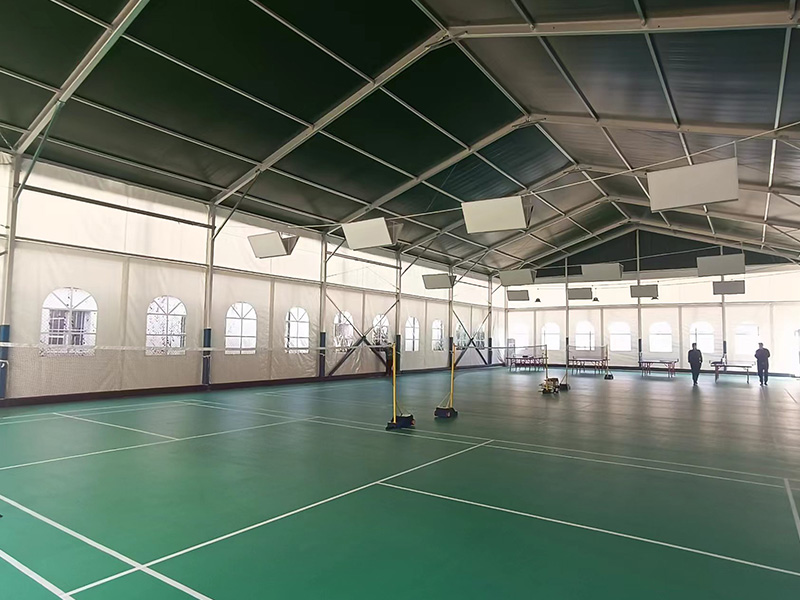
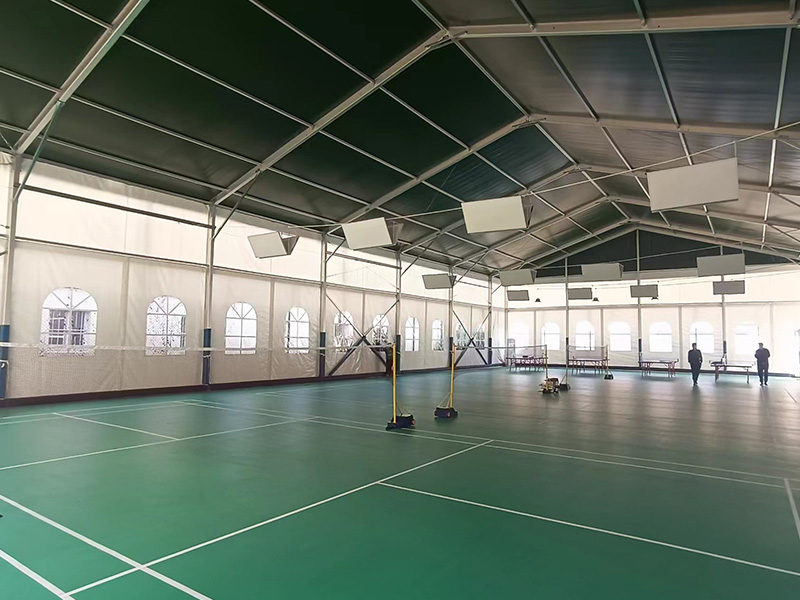
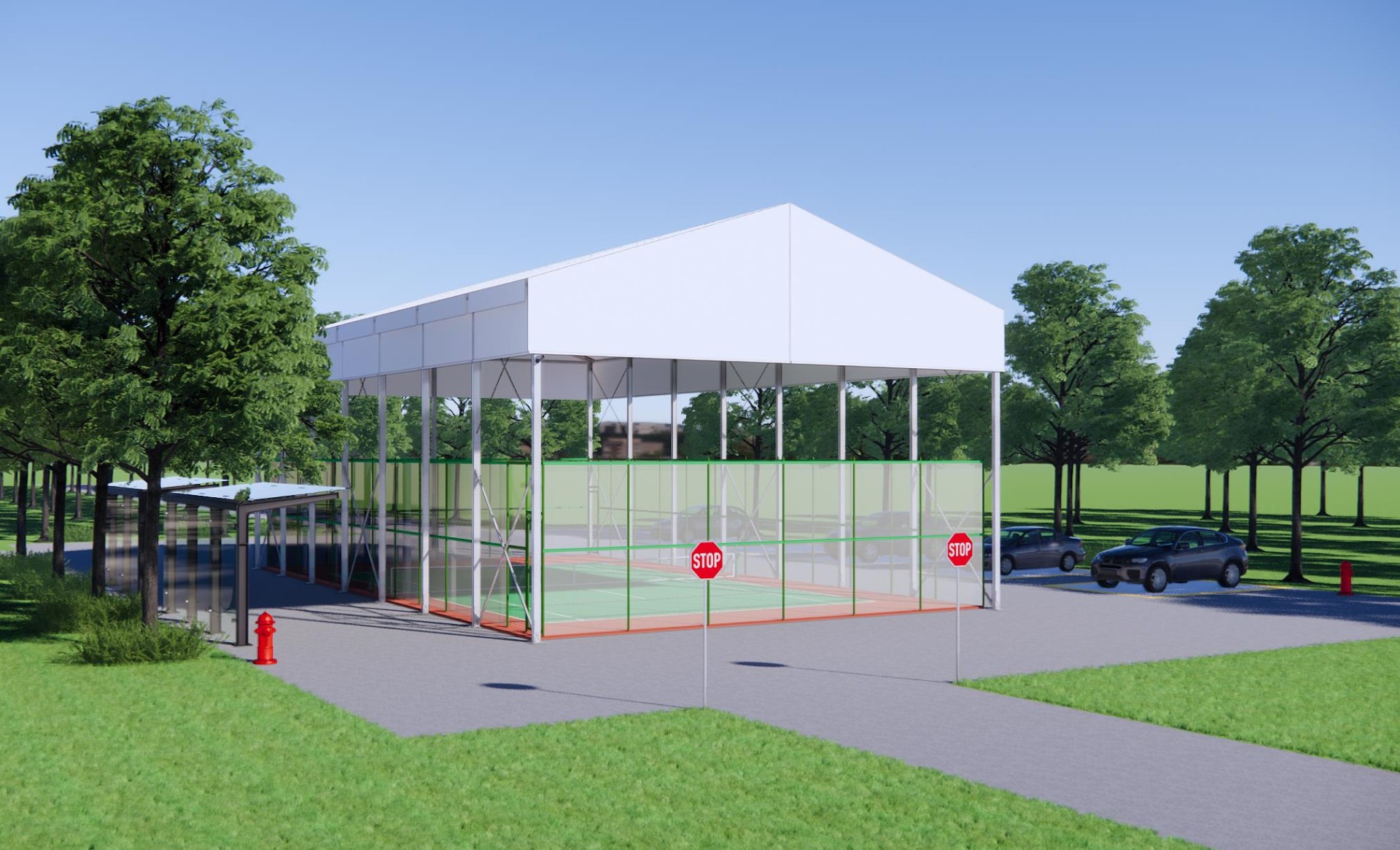
Changyi's extruded aluminum alloy systems solve this with precision-machined bolt connections that maintain proper alignment over multi-year deployments. More importantly, the pole-free clear-span design means there are no internal columns interrupting play — 100% of the interior space remains available. With bay spacing of 3-5m, eave heights of 5-8m, and spans customizable from 3m to 50m, these structures comfortably support professional sports flooring, lighting rigs, HVAC systems, and formal spectator stands, as demonstrated by Changyi's badminton court tent configurations.
Steel vs Aluminum Frame ROI and Costs
Initial Upfront Purchase Price
A heavy steel frame often presents a lower initial purchase price. Budget-conscious athletic departments frequently consider raw steel canopy tents for temporary savings during facility procurement. These lower upfront equipment expenses appeal to school districts managing tight annual operating budgets, and small clubs often prioritize initial affordability when establishing basic tournament facilities.
However, evaluating steel vs aluminum requires looking beyond the initial price tag. High-grade aluminum options demand higher manufacturing investments due to advanced structural extrusion techniques. Yet a standard steel frame creates additional physical labor needs and higher vehicle transport expenses during weekly travel. Daily handling struggles increase when a support crew relocates a heavy steel frame across distant athletic fields. These recurring operational costs quickly offset any initial purchasing discount.
Lifespan and Replacement Frequency
High-frequency event schedules wear down traditional shelter materials rapidly. Environmental moisture and coastal humidity cause severe rust that limits traditional steel frames to a service life of 5 to 8 years in harsh outdoor climates, while joint failures and coating damage drive frequent hardware repairs that reduce total operational longevity over time.
Conversely, anodized aluminum structures deliver an extended longevity of 15 to 20 years across demanding athletic schedules. Specialized surface anodization prevents atmospheric oxidation, keeping individual components intact through seasonal changes. Premium material engineering provides superior long-term durability against routine mechanical wear and harsh weather conditions. Investing in a resilient aluminum canopy frame protects long-term facility funding and eliminates costly replacement cycles for growing athletic organizations.
Matching Frames to Specific Sports Events
Different athletic activities require specific shelter designs. Facility managers select framework materials based on operational mobility and venue installation duration. Matching structural components to specific athletic uses ensures optimal field performance.
Sport Event Type | Recommended Frame Material | Key Operational Benefit |
|---|---|---|
Weekend Soccer & Track Meets | Anodized Aluminum | Rapid modular assembly and easy transport |
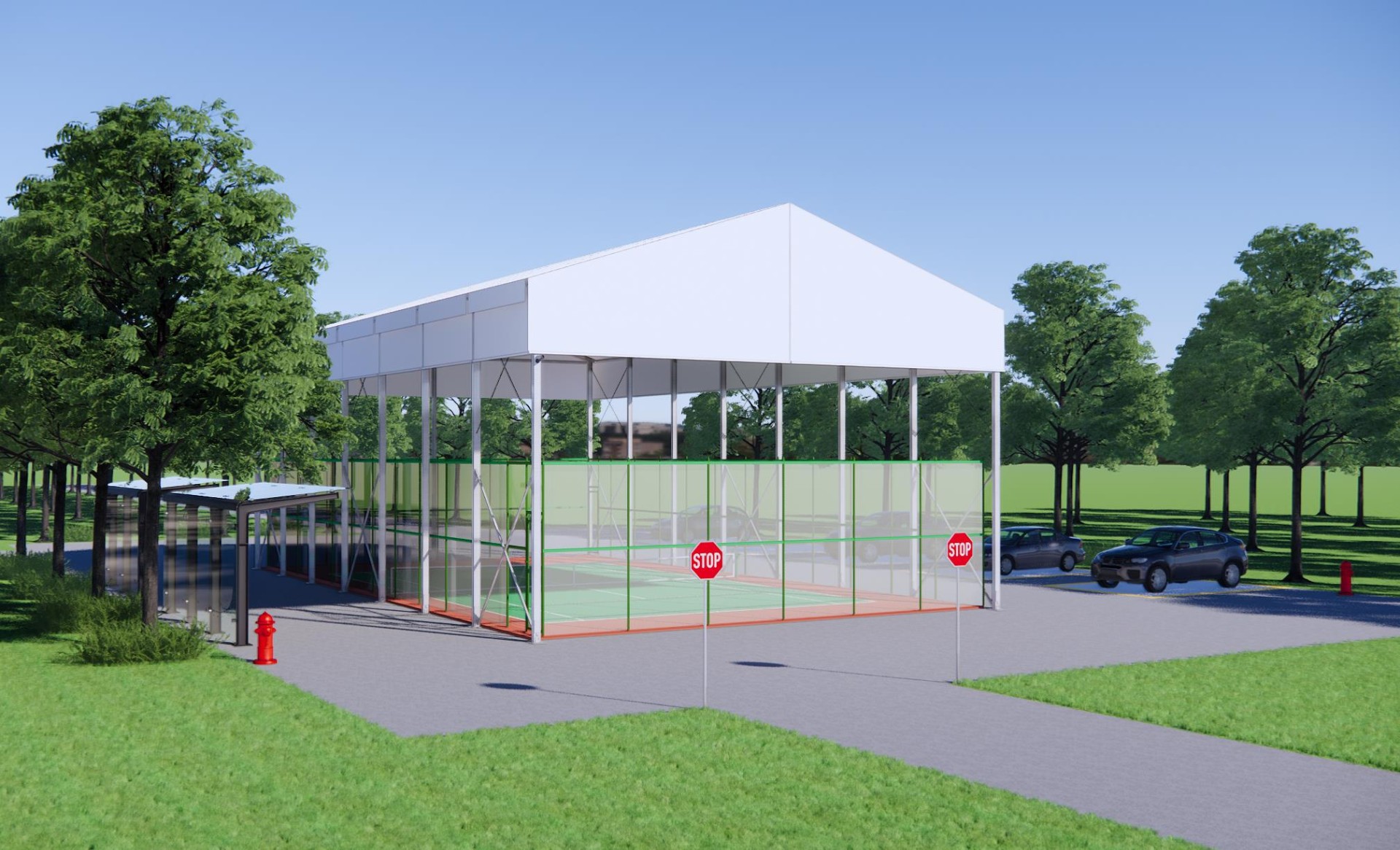
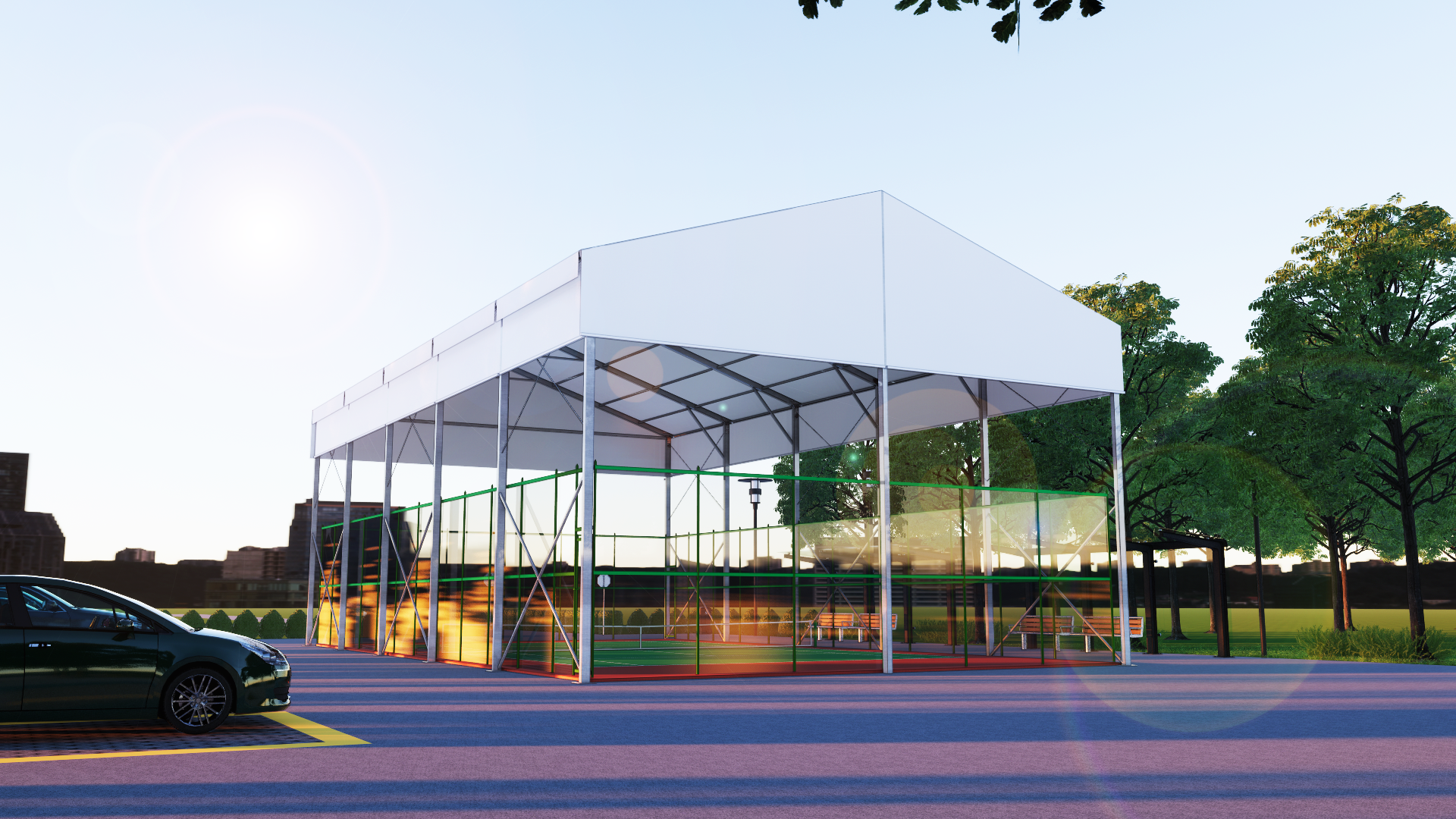
Tennis & Padel Courts | High-Strength Aluminum Alloy | 11m clear-span court cover with all-weather protection |
Badminton Tournaments | Anodized Aluminum | 17m wide pole-free span, 100% usable space |
Stationary Storage Units | Heavy Structural Steel | High static downward load capacity |
Tournament Travels and Temporary Courts
Mobile athletic programs move gear constantly between weekend venues. Event coordinators rely on lightweight equipment to simplify field operations. Support crews deploy modular aluminum sideline shelters in minutes during fast-paced track meets, and the lightweight framework reduces physical strain on workers during tight pre-game schedules while keeping spectator areas protected.
Traveling athletic departments rarely use bulky steel structures for short weekend matches. Loading heavy structural components consumes valuable cargo space inside transport vehicles and slows down loading routines after exhausting day games. Selecting high-performance aluminum frames allows support staff to establish clean custom layouts across scattered athletic fields quickly.
Semi-Permanent Shelters and Facilities
Seasonal athletic venues demand spacious overhead protection. Tennis, padel, and badminton courts require wide clear-span interiors without central support columns. A custom sports tent provides flexible spans ranging from 3m to 50m wide with virtually unlimited lengths — from the 11m x 21m tennis court tent to the 17m x 33m badminton pavilion. Facility directors choose high-strength anodized aluminum alloy 6061-T6 or 6082-T6 structures to shield entire playing courts from severe sun exposure and sudden rain.
These court covers also double as branding assets: PVC covers can be produced in transparent, white, red, or custom colors and printed with club logos and sponsor graphics. Combined with supporting facilities such as air-conditioning, interior lining, lighting, audio systems, and formal spectator stands, an aluminum sports pavilion delivers a permanent-venue experience with temporary-structure flexibility.
Final Sports Canopy Selection Checklist
Selecting the ideal structural support requires evaluating your specific athletic setup parameters. Facility managers must assess usage frequency, facility space, and transport mobility before finalizing an equipment purchase. A temporary venue setup demands clear planning regarding total load requirements, assembly speed, and local environmental exposure. Evaluating these critical operational factors guarantees that your custom layout meets real-world field demands during packed multi-game match schedules.
Athletic directors should review these core selection criteria when evaluating prospective sports shelter infrastructure:
Transport frequency: Mobile tournament operations benefit from lightweight aluminum components that streamline daily loading routines and reduce physical exertion during field movement.
Environmental moisture exposure: High-humidity locations and coastal sports facilities require rust-proof anodized aluminum structures to ensure continuous weather protection without structural corrosion.
Facility size requirements: Clear-span layouts ranging from 3 meters to 50 meters wide maximize internal court space for active athletic play and spectator shade, with zero internal poles.
Cover specifications: Double PVC-coated polyester fabric (750 gsm roof / 650 gsm sidewall) with waterproof, anti-UV, self-cleaning, and DIN 4102 B1 flame-retardant performance.
Customization needs: Sponsor logo printing, custom colors, sports flooring, lighting, lining, HVAC, and spectator stand integration for professional venue experiences.
Operational budget timeframe: Evaluating initial purchase costs against long-term replacement frequency reveals the true lifetime return on investment for high-grade shelter equipment.
Wind resistance needs: Open athletic fields require robust structural designs capable of resisting strong atmospheric gusts up to 100 km/h.
Evaluating these criteria helps event coordinators identify the best canopy frame for long-term operational success. High-frequency traveling teams require lightweight structures, while stationary storage shelters can utilize a traditional steel frame for static load needs. Extruded anodized aluminum delivers the best balance of durability and portable convenience across demanding outdoor tournament schedules.
Ultimately, selecting the right canopy frame protects team assets, field equipment, and visiting spectators. A standard steel frame offers initial affordability for stationary storage, but anodized aluminum structures deliver superior long-term performance. Facilities managers achieve optimal structural longevity by matching high-performance shelter frameworks directly to their facility dimensions.
Evaluating aluminum vs steel reveals clear operational trade-offs for athletic events. Heavy steel works for stationary storage. However, light aluminum frames provide superior performance for active tournament travel and full-court coverage. Anodized aluminum frames resist corrosion in humid weather and ensure rapid modular deployment. Changyi Sports Tents feature heavy-duty anodized frameworks that endure high wind loads up to 100 km/h, wrapped in flame-retardant double PVC covers.
With no internal poles, 100% of the interior space remains available for play, spectator seating, and event equipment.
Choose a modular aluminum pavilion for frequent tournament mobility. Deploy clear-span court covers for tennis, padel, and badminton venues. Select a custom design for specific court dimensions. Invest in a custom sports tent from Changyi today.
FAQ
How much wind can a Changyi aluminum canopy frame endure?
Changyi heavy-duty anodized aluminum structures withstand wind loads up to 100 km/h. Premium double PVC-coated protective covers — 750 gsm roof and 650 gsm sidewall fabric — deliver full waterproof performance, anti-UV protection, and DIN 4102 B1 flame retardancy during severe outdoor weather events.
What is the service life difference between aluminum and steel tent frames?
Anodized aluminum frames offer an operational lifespan of 15 to 20 years, as atmospheric oxidation creates a protective layer that stops rust. Traditional steel frames last 5 to 8 years in harsh climates due to corrosion at coating scratches and joint wear.
What clear-span sizes support temporary athletic court shelters?
Changyi customizable sports tents provide clear-span widths from 3 meters to 50 meters with unlimited lengths. Proven configurations include the 11m x 21m tennis and padel court tent and the 17m x 33m badminton pavilion, both with pole-free interiors that maximize open court space and spectator seating.
Can Changyi sports tents be customized with branding and venue accessories?
Yes. All tents and sidewalls can be made to order: PVC covers come in transparent, white, red, or custom colors and support club logo and sponsor printing. Supporting facilities such as sports flooring, interior lining, lighting, audio, air-conditioning, and formal spectator stands can be integrated to create a professional venue experience.
How do athletic directors identify the best canopy frame for mobile events?
Mobile athletic programs require lightweight structural components. Anodized aluminum frames weigh roughly one-third as much as raw steel, and the unit modular design keeps frame parts compact for efficient transport. This weight reduction simplifies vehicle loading routines and prevents physical fatigue during rapid tournament setups.