

Frame Tents vs. Pole Tents: The Ultimate Commercial Guide
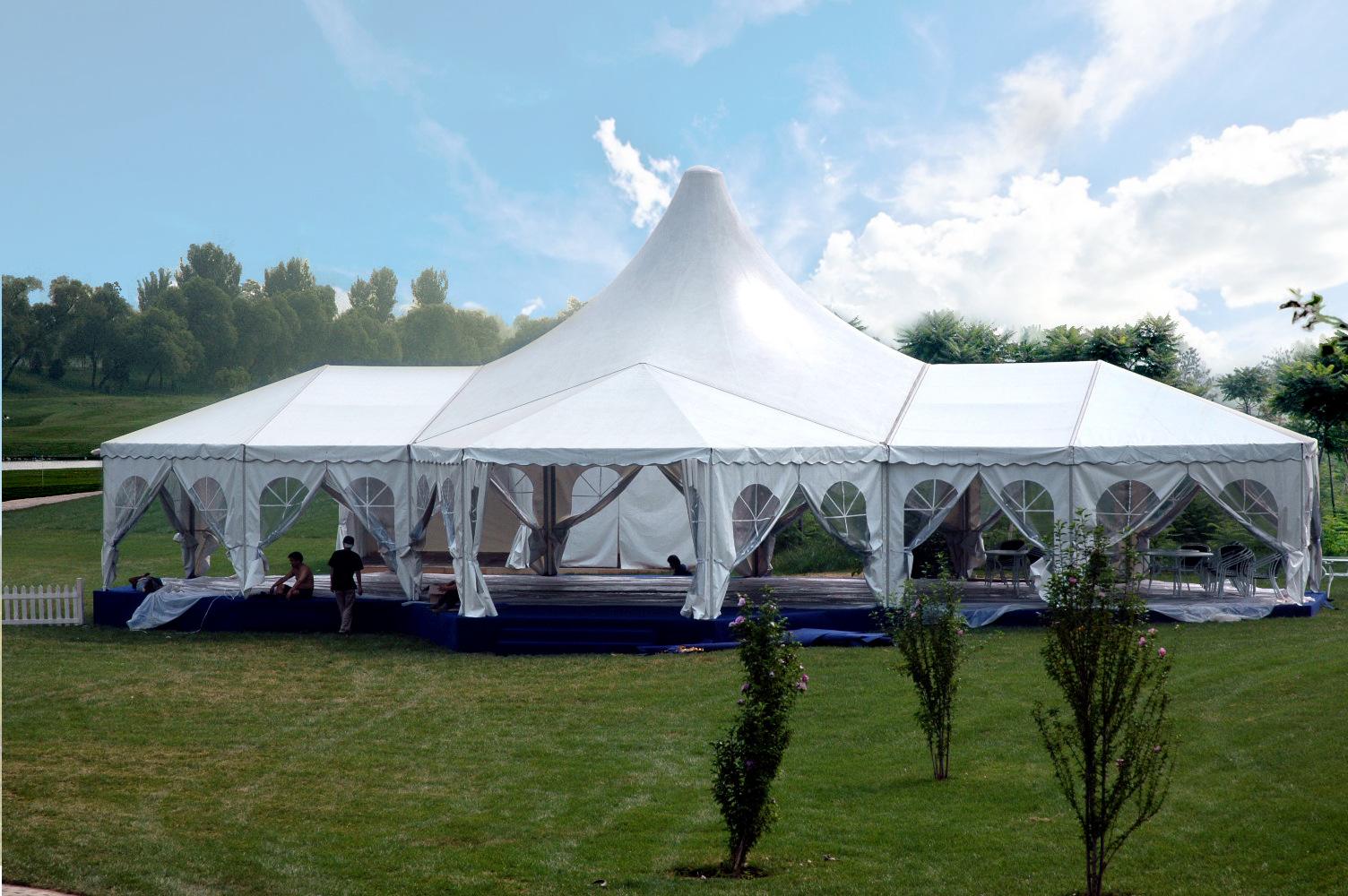
Choosing the right commercial party tent determines rental profitability. Savvy operators evaluate structural engineering, spatial efficiency, surface compatibility, total cost of ownership, and commercial ROI before buying a commercial tent.
Tent Type | Cost per Square Foot (USD) |
|---|---|
Frame tent | $8 – $15 |
Pole tent | $5 – $10 |
Frame tents feature clear-span interiors without center posts. They anchor on concrete through ballasting, occupy smaller footprints, and withstand winds during long-term setups. Meanwhile, classic pole tents offer high-peak style at lower purchase prices. A traditional pole tent installs quickly on soft ground with stakes. Understanding these key differences ensures success for every event. Buying frame tents or pole tents strategically maximizes party business profits.
Key Takeaways
Frame tents lack center poles and maximize open usable space for guests.
Pole tents cost less upfront and set up quickly on soft grass.
Frame tents use heavy weights to stand safely on concrete or asphalt.
Heavy-duty frame tents withstand strong winds during long seasonal events.
Structural Engineering and Key Differences
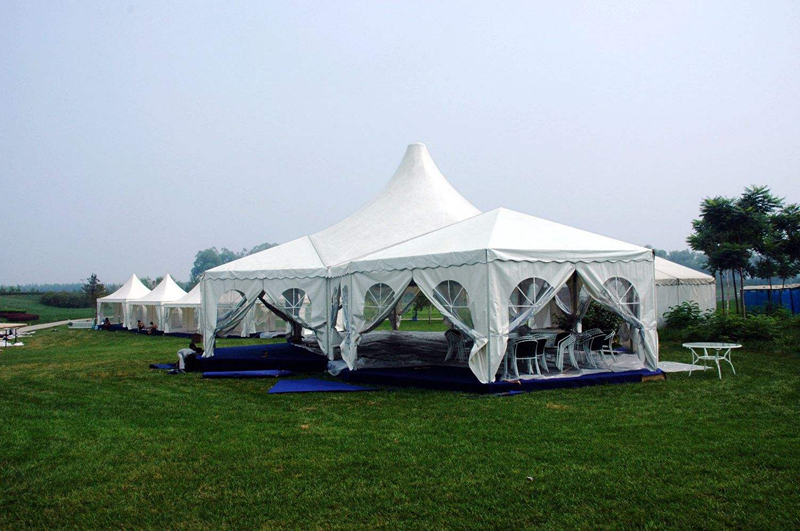
Understanding structural engineering helps rental business operators maximize commercial profitability. The primary structural distinction between frame tents and pole tents lies in their underlying support mechanics. Pole tents rely entirely on dynamic tension forces between central interior posts, side perimeter legs, and exterior web straps secured to heavy ground anchors. Conversely, frame tents utilize a self-supporting metal superstructure that supports top fabric without internal uprights. This fundamental mechanical distinction changes the required outer perimeter installation zone significantly. A traditional pole tent demands an extended anchoring boundary around its outer perimeter for driving guy wires into the ground. A frame tent maintains a much smaller outer footprint because its internal framework holds the top cover completely rigid without external tie-down extensions. Knowing these key differences ensures smart equipment buying choices for every outdoor event.
Tension Design in Pole Tents
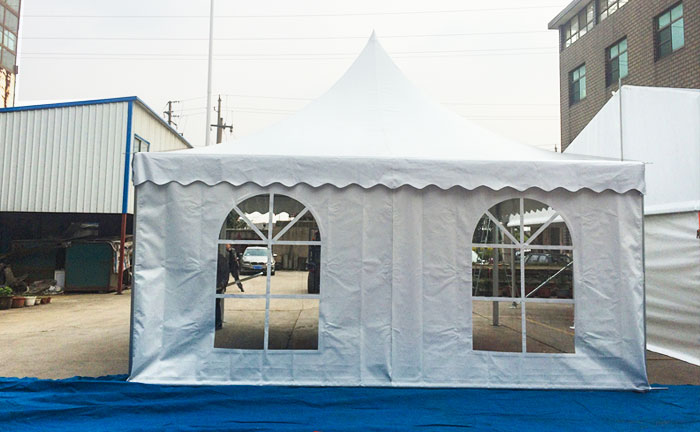
Tension architecture gives a classic pole tent its iconic high peaks and sweeping roof lines. Long central aluminum or wood poles push heavy vinyl canopy fabric upward while perimeter side poles hold outer edges taut. Exterior guy wires pull top fabric outward toward deep ground stakes driven into dirt or grass. This counter-pulling dynamic creates structural rigidity across the entire fabric canopy. However, internal layout suffers because center posts block interior pathways throughout the venue.
One of the major drawbacks of pole tents is the presence of central poles, which can interfere with the layout of your event. These poles can block sightlines, create obstacles for seating, and limit the use of space, especially if you have a large guest list.
This heavy mechanical reliance on exterior tension creates specific disadvantages during spatial design and floor planning. Event rental operators must constantly plan guest seating arrangements, dance floors, buffet bars, and catering staging around physical center posts. Furthermore, this structural style demands soft turf or soil surfaces for driving heavy steel anchor stakes, which restricts overall location flexibility.
Rigid Design in Frame Tents
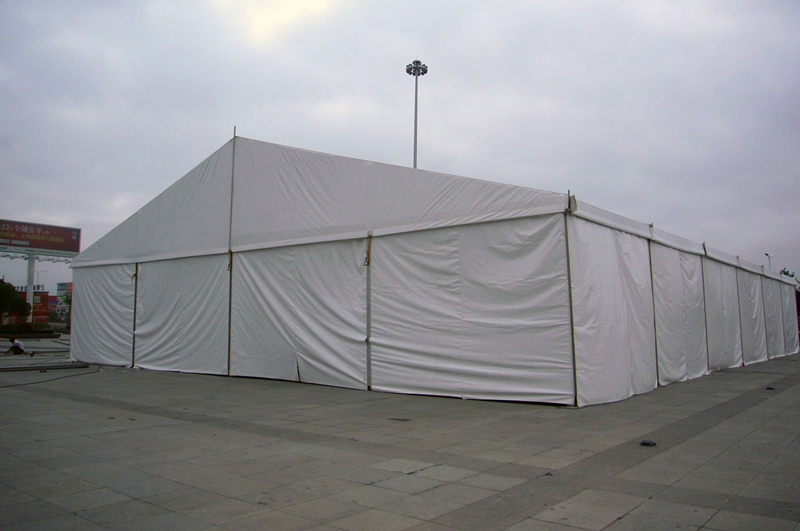
A modern frame tent replaces total tension dependence with complete structural self-sufficiency. Engineers design the frame structure of heavy-duty A-frame structures using hard pressed extruded aluminum alloy T6061/T6 paired with PVC-coated polyester fabric.
For complete tent kits, most manufacturers utilize 6061-T6 aluminum. This is the same grade of aluminum used in aircraft and bridge construction, indicating its high strength-to-weight ratio and suitability for structural frame applications in commercial tents.
This rigid metal skeleton carries structural loads directly, eliminating interior supports entirely. Rental operators looking for elevated peak aesthetics can also choose a high peak frame tent, which combines striking peak styling with clear-span utility.
Tent Type | Interior Space Characteristic |
|---|---|
Frame Tent | Completely open and unobstructed; maximum usable space. |
Pole Tent | Features center poles that require layout planning around them. |
The structural design of frame tents provides immense operational tent advantages for modern event planners. Eliminating interior posts maximizes functionality across the entire usable floor area. Rental catalog managers appreciate distinct business advantages when offering clear-span structures to clients. Additionally, this rigid engineering enhances overall tent stability, giving party rental companies a highly reliable temporary shelter solution that handles diverse venue locations and surface conditions with complete confidence.
Surface Options and Anchoring Needs
Soft Ground Staking Requirements
Every venue surface presents distinct structural anchoring challenges for rental operations. A classic pole tent requires soft turf, soil, or packed gravel for proper installation. Heavy steel stakes must penetrate deep into soft ground. These stakes maintain necessary dynamic tension forces across the upper canopy fabric. Without proper ground penetration, a pole tent loses structural stability rapidly.
Rental operators secure maximum safety on grass fields through long steel anchors driven directly into dirt. Soft turf absorbs high tension pull reliably. Local soil conditions dictate precise stake depth, driving speed, and placement angle. Staking creates strong holding power during harsh weather conditions. However, stake driving leaves noticeable holes across manicured lawns. Turf restoration requires additional post-event labor and repair costs.
Concrete and Asphalt Ballasting
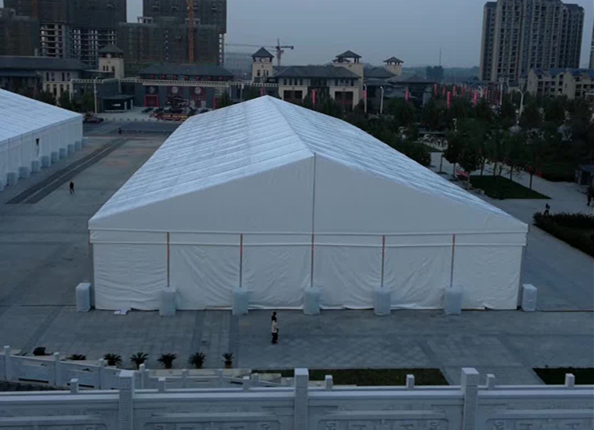
Hard surfaces demand versatile commercial securing solutions for temporary shelters. Concrete patios and asphalt parking lots prevent deep ground stake driving. A versatile frame tent solves tough surface limitations through heavy surface ballasting. Operators secure rigid aluminum legs directly to base plates resting flat on solid pavement. Ballasts provide dependable holding force without damaging expensive hard surfaces or urban pavement.
Tent Size | Recommended Ballast per Leg |
|---|---|
Small (10x10 to 20x20) | 40–100 lbs |
Mid-size (20x30 to 30x40) | 100–200 lbs |
Large (30x60 and above) | 200–400+ lbs |
Weight selections vary depending on overall canopy dimensions and wind exposure. Water barrels offer quick jobsite convenience for professional rental crews. A full 55-gallon water barrel weighs approximately 458 lbs when full. Stacked concrete blocks and dedicated ballast plates deliver precise downward weight distribution directly over base plates. Crews sometimes drill concrete anchors using surface bolts for added anchor security. Combining portable weights with heavy concrete anchors guarantees ultimate wind stability on hard surfaces. This non-damaging anchoring flexibility transforms flat urban parking lots into highly profitable venue locations for any commercial party tent enterprise. Frame engineering protects client property while opening unlimited outdoor event setup options for growing businesses.
Interior Layout and Spatial Mechanics
Clear-Span Flooring Flexibility
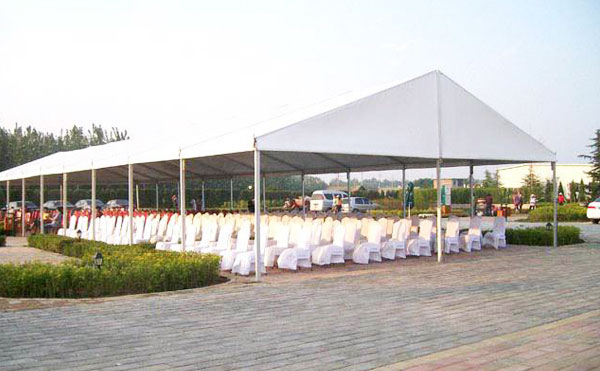
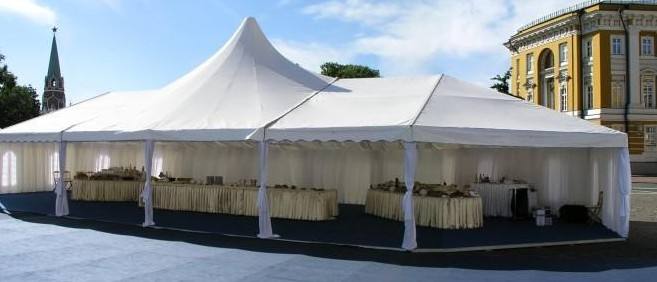
Commercial party venues require total layout freedom to maximize operational efficiency during high-profile gatherings. The clear-span engineering of frame tents eliminates central support posts completely. Event planners position dining tables, beverage bars, buffet lines, and performance stages anywhere across the venue floor without spatial limitations. Unobstructed sightlines keep guest views open across the entire tent interior. Catering crews and service staff navigate easily around guest tables without hitting structural aluminum columns.
Straight-roof clearspan design with no interior poles, keeping aisles, equipment paths, and seating plans clean and efficient.
This open interior layout optimizes traffic movement for catering crews and attendees alike. Event managers divide wide rectangular floor plans smoothly into distinct functional zones for diverse activities. Planners place formal dining tables on one end while setting up dance floors and music equipment on the opposite side. A rigid frame tent provides versatile usable space across several standard canopy dimensions.
Standard Width (One-Piece Top) |
|---|
10 feet |
12 feet |
14 feet |
16 feet |
18 feet |
20 feet |
30 feet |
Center Pole Spatial Considerations
Traditional pole tents rely on tall center columns to push heavy roof vinyl upward. These central posts force organizers to plan seating arrangements, stage positions, and food stations around rigid physical barriers. Upright poles block clear sightlines across the room, creating awkward seating pockets during presentations. Interior traffic flow slows down significantly because guest movement must divert continuously around vertical support posts.
Commercial rental operators evaluate structural canopy options carefully against specific event needs. A traditional pole tent provides classic high-peak visual elegance for outdoor celebrations on soft soil. However, using pole tents introduces clear disadvantages during complex floor setups. Opting for frame tents offers major operational advantages for luxury wedding receptions and corporate trade shows. Smart equipment choices maximize overall commercial functionality and profit margins for expanding rental enterprises.
Weather Durability and Stability
Wind Load Limits and Tension Dynamics
Unpredictable outdoor weather conditions demand exceptional structural performance from temporary commercial venues. A heavy-duty commercial frame tent utilizes extruded aluminum alloy beam frameworks to absorb high wind shear forces directly. Engineers design rigid structural connectors that lock frame joints securely into place. Engineered frame tents deliver dependable structural stability across hard urban pavement or packed soil grounds without depending on exterior tension forces.
Dynamic tension forces protect traditional canopy structures during unexpected wind gusts. Heavy pole tents divert dynamic wind loads through tall center uprights directly into deep steel perimeter anchors. Maintaining proper web strap tension enhances overall tent safety across open grass fields, preventing sudden structural movement or dangerous cover slackening. Choosing high-grade anchoring stakes protects setup crew safety and secures client assets during severe outdoor weather events.
Long-Term Installation Performance
Extended jobsite installations require resilient vinyl materials that withstand relentless environmental weathering without structural degradation. Prolonged ultraviolet sunlight degrades standard canopy fabric tensile strength, lowering dynamic structural stability during long multi-month seasonal setups. Equipment rental buyers must evaluate fabric specifications carefully to guarantee ongoing safety and long-term stability during extended seasonal deployments.
Fabric Description | Exposure Duration | Key Finding on Tensile Strength |
|---|---|---|
300D solution-dyed polyester | 1 month | Lost 38% of its tensile strength. |
300D solution-dyed polyester | 132 days | Lost almost 75% of its initial strength. |
20D*420T Poly RS sil/PE | 1 month | Lost almost half (approx. 50%) of its strength. |
20D*420T Poly RS sil/PE | 104 days | Retained only 14% of its original tensile strength. |
Understanding long-term fabric degradation provides major operational advantages for expanding equipment rental businesses. Extended seasonal installations favor rigid frame tents over high-tension pole tents because frame engineering minimizes continuous fabric stretching. Selecting heavy-duty weather-resistant vinyl covers ensures maximum return on investment, long service lifespans, and safe tent performance across every commercial event season.
Cost Analysis and Commercial ROI
Initial Costs vs Assembly Labor
Buying equipment requires a clear analysis of upfront capital spending balanced against recurring field assembly labor expenses. A traditional pole tent costs between $5 and $10 per square foot. This lower purchase price helps inventory managers expand their rental fleet quickly on a modest starting budget. However, field crews require extensive manual labor to drive heavy steel anchor stakes deep into soil at every target venue site. Driving dozens of perimeter stakes increases crew size and overall jobsite labor hours significantly.
Conversely, a frame tent commands a higher initial purchase price of $8 to $15 per square foot. The heavy-duty extruded aluminum framework drives up upfront procurement expenses for rental company buyers. Despite higher initial costs, rigid designs reduce ongoing jobsite labor demands across repeated setup schedules. Crews erect these self-supporting structures rapidly without driving perimeter stakes, creating distinct economic advantages for high-volume commercial operations during busy event seasons.
Maintenance and Transportation Factors
Managing warehouse storage, truck transit, and fabric maintenance directly influences overall profit margins over time. Compact folded vinyl covers and lightweight center support posts make pole tent inventory simple to pack into standard transport trucks. Smaller transportation footprints minimize fuel expenses and driver requirements during hectic weekend schedules. However, constant high-tension pull causes fabric stretching along seam lines over time, which increases annual fabric repair costs and routine maintenance frequency.
A robust commercial tent framework requires dedicated cargo trailer space for long aluminum beams, joint pins, and heavy steel connectors. Transportation expenses increase slightly due to heavier structural components and specialized racking systems. Fortunately, rigid framework engineering protects top vinyl covers from continuous high-tension stretch damage. Evaluating versatile tent rental options helps business owners select the ideal commercial party tent for profitable tent rental enterprises operating within demanding equipment markets over long service lifespans.
Selecting a Commercial Party Tent
Selecting the ideal commercial party tent requires analyzing ground surfaces, spatial requirements, and overall function. Event planning professionals must match structure styles to specific venue constraints. Evaluating physical locations ensures safety and structural stability for every special gathering.
Decision Criteria | Pole Tent Recommendation | Frame Tent Recommendation |
|---|---|---|
Surface | Must be installed on natural grass or soft earth. | Can be installed on grass, concrete, patio, or asphalt. |
Clearance Needed | Requires 5–10 feet of extra perimeter space for staking. | Requires less perimeter clearance; fits tight spaces efficiently. |
Layout Flexibility | Features center poles that limit furniture placement. | Provides unobstructed clear-span space for flexible layouts. |
High-End Weddings and Formal Venues
Luxury celebrations require elegant visual appeal and open interior layouts. High-end weddings, galas, and upscale functions demand sophisticated architectural designs that impress guests. Upright support posts can block camera sightlines and disrupt seating plans during formal dinners. Choosing an unobstructed tent for weddings solves layout challenges completely. Unobstructed sightlines keep guest views clear during speeches and special toasts.
CY Tent offers premium solutions through its Customized Wedding Tent collection. Venue owners can select from clear-span, A-Frame, Arcum, and Dome structures to transform outdoor grounds into luxury venues. A clear-span tent for weddings maximizes usable floor space for grand staging, dancing, and dining.
Structural Feature | Value for Luxury Wedding Receptions |
|---|---|
Open interiors with no support poles | Maximizes usable floor area for seating, dance floors, and staging. |
Transparent roofs and glass walls | Allows natural light and scenic views while protecting guests. |
Ensures guest comfort and protects food or high-end decor. |
Customization creates exceptional atmospheres for high-end weddings. Transparent roof panels offer starlight views while integrated climate control maintains total interior comfort. Hard walls and custom sidewalls provide control over appearance, privacy, and weather protection. Choosing a tailored tent for weddings gives organizers total control over reception zoning, dining layouts, and VIP spaces. Elevated flooring systems make temporary spaces feel like permanent luxury venues.
Festivals and Corporate Events
Large outdoor festivals and corporate events present unique operational requirements. Organizers must address crowd capacity, weather resistance, and local safety regulations. A versatile commercial tent handles mixed venue surfaces seamlessly. Concrete parking lots, stone plazas, and paved streets require weighted ballasts instead of ground stakes. Ground conditions directly impact structural stability during large corporate gatherings. Analyzing soil conditions or pavement integrity ensures total jobsite stability before assembly begins.
Safety and equipment management remain top priorities for festival organizers.
Load Capacity for Equipment must support lighting truss systems, line array sound systems, and LED video walls.
Organizers must fulfill diverse event needs across large multi-day public activities. Heavy-duty aluminum frames, fire-resistant vinyl fabrics, and sealed seams protect attendees from sudden weather changes. Proper ventilation features minimize internal condensation during multi-day events. Operational success relies on clear execution steps:
Set up fixed or movable seating based on overall audience capacity.
Establish clear safety passages and emergency exits for quick evacuation.
Secure appropriate heavy anchoring systems based on surface analysis.
Selecting the right equipment delivers reliable performance for every event tent installation. CY Tent provides flexible structural designs that align perfectly with long-term business growth targets.
Choosing between frame tents and pole tents defines operational success for rental businesses. Commercial buyers select frame tents for clear-span versatility and hard surface installations. Traditional pole tents deliver iconic high-peak style with lower initial purchasing costs. Deploying pole tents speeds up quick soft-ground installations on tight labor budgets. Operating pole tents reduces upfront costs. Meanwhile, rigid frame tents excel during multi-day setups requiring heavy structural loads. Evaluating venue surfaces, setup duration, and structural needs guarantees a successful event every time. Smart inventory choices maximize overall business profitability over long service lifespans. Operators should consult commercial tent specialists directly when sizing inventory to secure maximum long-term returns.
FAQ
What is the main structural difference between frame and pole options?
Frame structures utilize a self-supporting metal superstructure without interior posts. Pole designs rely on central upright poles and exterior guy wires anchored into soft ground. Rigid frame engineering maximizes usable open space across your entire event floor.
Can you install a pole structure on concrete or asphalt?
Pole options require deep ground stakes driven into soft soil to maintain fabric tension. Therefore, hard surfaces like concrete demand a versatile frame tent. Frame models utilize heavy concrete blocks or water barrels for non-damaging installation on pavement.
Which commercial design offers better ROI for luxury venues?
Frame structures deliver superior long-term commercial returns for luxury venues. Open clear-span interiors eliminate sightline obstructions completely. Furthermore, choosing a customized wedding tent from CY Tent provides premium clear-span, Arcum, or Dome designs that attract high-paying clients.
How do initial purchase costs compare between both styles?
Traditional pole units carry a lower initial purchase price of $5 to $10 per square foot. Rigid frame units cost between $8 and $15 per square foot. However, frame designs reduce ongoing jobsite labor costs across busy event seasons.