

DIY Wedding Tent Guide: Size Chart, Setup Steps & Budget Tips for 2026
Planning a wedding on a budget? A DIY wedding tent could be your perfect solution to create a magical outdoor venue without breaking the bank. Whether you're dreaming of an intimate gathering for 50 guests or a grand celebration for 200+, this comprehensive guide will walk you through everything you need to know about choosing, setting up, and decorating your own wedding tent.
Why Choose a DIY Wedding Tent?
More couples are opting for DIY wedding tents in 2026, and for good reason:
Cost Savings: Renting a professional wedding tent can cost thousands of dollars. DIY options allow you to control your budget
Complete Customization: You have full creative control over the design, layout, and decorations
Flexibility: Choose your perfect outdoor location—backyard, farm, beach, or family property
Personal Touch: Create a truly unique venue that reflects your personality as a couple

Step 1: Calculate the Perfect Tent Size
Choosing the right tent size is crucial for guest comfort and event flow. Here's your quick reference guide:
Tent Size Chart by Guest Count
50 guests: 20x20 or 20x30 (400-600 sq ft) - Ideal for intimate ceremonies and cocktail receptions
100 guests: 30x30 or 40x40 (900-1,600 sq ft) - Perfect for mid-sized receptions with dance floor
150 guests: 30x50 or 40x60 (1,500-2,400 sq ft) - Suitable for large receptions with dining and dancing
200 guests: 40x80 or 50x60 (3,000-3,200 sq ft) - Best for grand celebrations with multiple zones
Pro Tip: Plan for 12-15 square feet per person for seated dinners with dancing. If you're hosting a cocktail-style reception, you can reduce this to 8-10 square feet per person.
Don't forget to account for dance floor (minimum 20x20 for 100 guests), stage or DJ booth, buffet tables or bar stations, gift table and guest book area, and catering prep space.
Step 2: Choose Your Tent Type
Based on popular wedding tent categories, here are your main options:
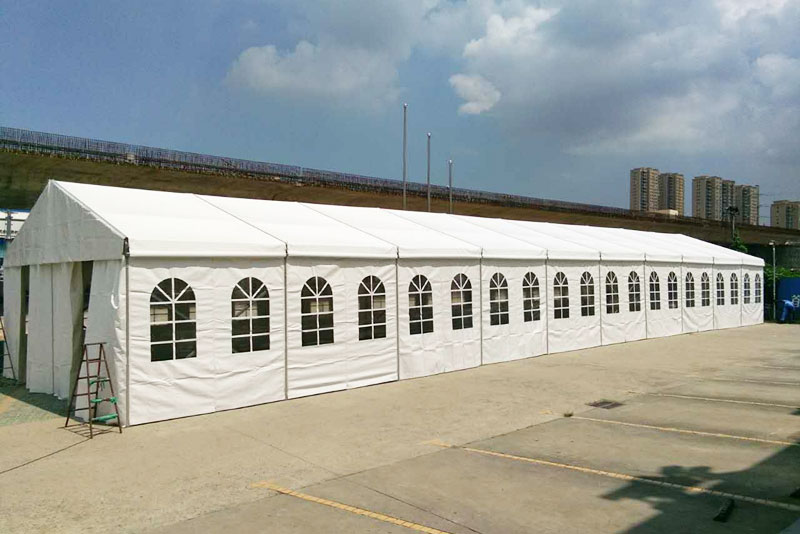
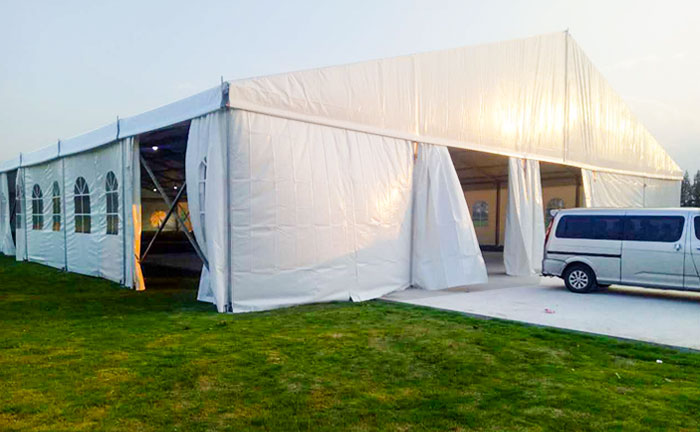
Frame Tents
Best for: Any surface (grass, concrete, gravel)
Advantages: No center poles, maximum usable space
Popular sizes: 20x20, 30x30, 40x80
Ideal for: Outdoor wedding party tents requiring clear sightlines
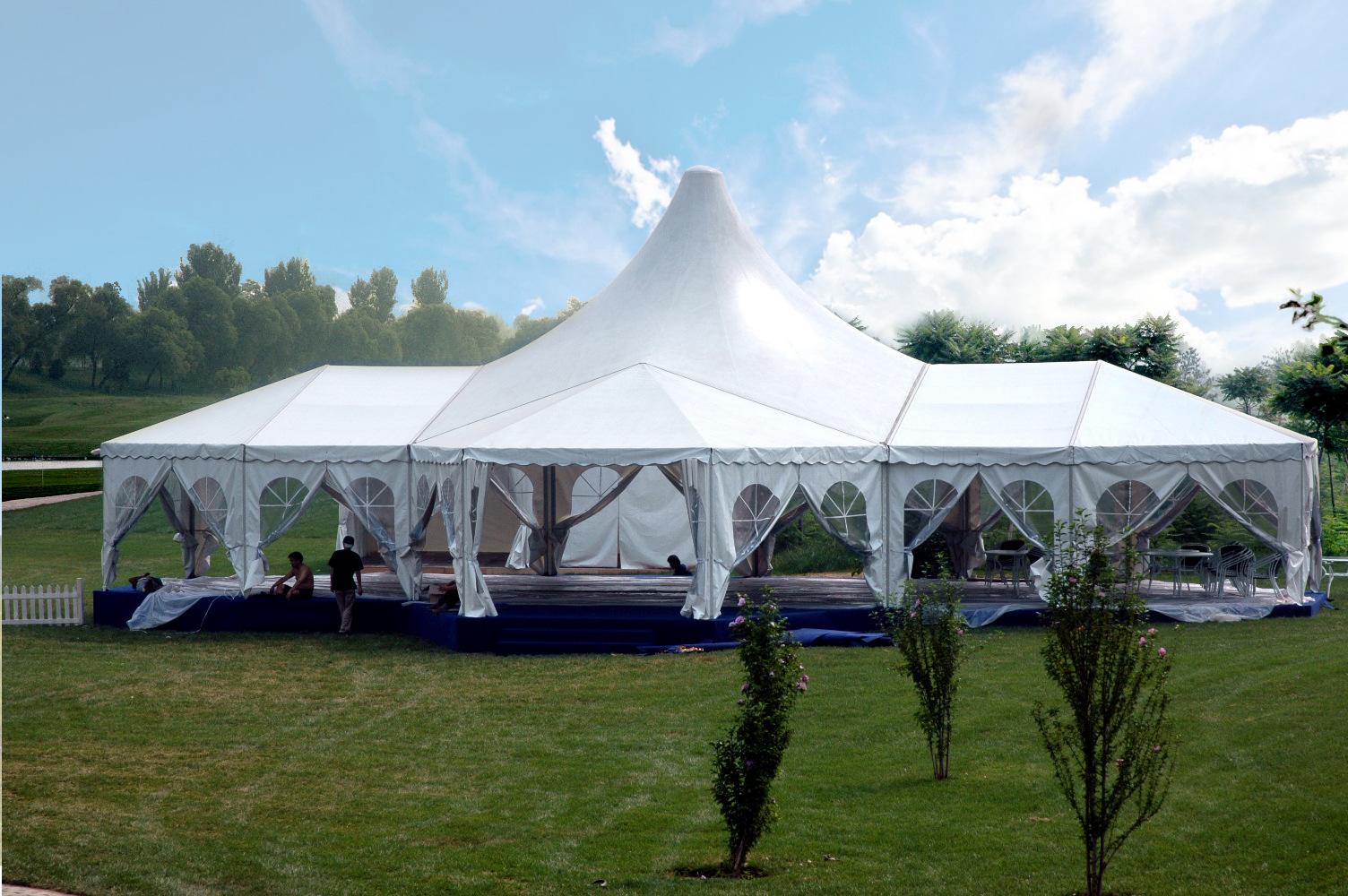
Pole Tents
Best for: Grass or soft ground
Advantages: Classic elegant peaks, often more affordable
Considerations: Require staking into ground every 10 feet
Perfect for: Traditional outdoor wedding aesthetics
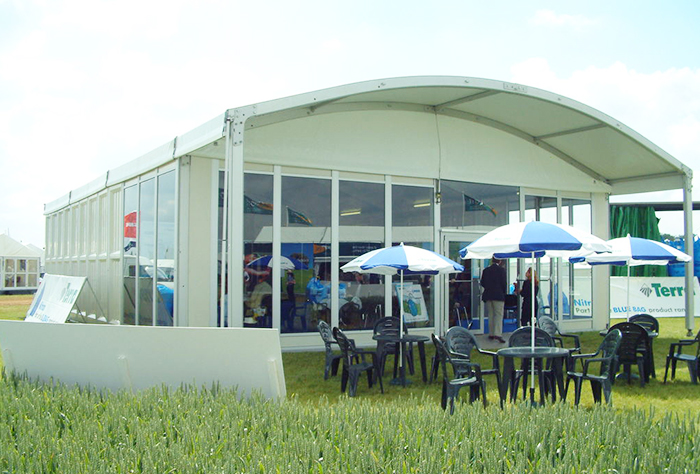
Clear Span/Aluminum Frame Tents
Best for: Large-scale events (150+ guests)
Advantages: Superior stability, customizable heights (30-50 meter spans)
Features: High-quality aluminum alloy construction, PVC weatherproof fabric
Best for: Professional-grade DIY weddings with unlimited length extension
Step 3: Rent vs. Buy – What's Best for You?
When to Rent:
One-time event
Budget under $2,000
Don't want storage/maintenance hassles
Need professional setup included
Rental costs: A 20x30 wedding tent typically runs $600-900 per day with setup
When to Buy:
Planning multiple events (2+ per year)
Want to resell after your wedding
Need complete customization
Have storage space
Purchase costs: A 20x30 tent costs around $2,800 to buy, but you can resell for approximately $1,400, making the break-even point about 1.5-2 events
Our Recommendation: If you're only hosting your wedding, renting is more cost-effective. However, if you're an event planner or planning multiple family celebrations, buying a durable outdoor aluminum wedding tent makes financial sense.
Step 4: DIY Tent Setup – Your Timeline
2-3 Weeks Before:
Confirm delivery or pickup date, gather tools (rubber mallet, level, work gloves, stakes, ropes), recruit 4-6 helpers for setup day, and check weather forecast and prepare backup plan.
2-3 Days Before:
Clear and level the ground, mark tent footprint with spray paint, pre-drill holes if using concrete anchors, and lay ground tarp or flooring.
Setup Day (Allow 4-6 hours):
For Frame Tents:
1. Lay out all components and verify parts
2. Assemble frame sections on the ground
3. Lift frame into position with help (or use forklift for 40x80+ sizes)
4. Secure all connections and check level
5. Attach sidewalls and secure with weights or stakes
6. Install flooring if using
For Pole Tents:
1. Lay tent fabric flat and mark pole positions
2. Insert center poles and raise gradually
3. Stake perimeter lines at 45-degree angles
4. Tension ropes evenly on all sides
5. Install sidewalls and entrance draping
Safety Note: For tents larger than 30x30, consider hiring professional installation to ensure structural safety and weather resistance.
Step 5: Decoration Ideas That Wow
Transform your DIY tent from functional to fabulous with these proven decoration strategies:
Lighting (The Number One Game-Changer)
String lights: Drape warm white Edison bulbs across the ceiling in zigzag pattern
Chandeliers: Hang 3-5 crystal or rustic wooden chandeliers for elegance
Lanterns: Mix hanging paper lanterns with LED candles for romance
Uplighting: Place LED uplights around perimeter in your wedding colors
Ceiling Treatments
Draping: Use chiffon or tulle fabric in ivory, blush, or sage green
Floral garlands: Hang eucalyptus and white roses from ceiling beams
Paper pom-poms: Budget-friendly option in varying sizes
Entrance Impact
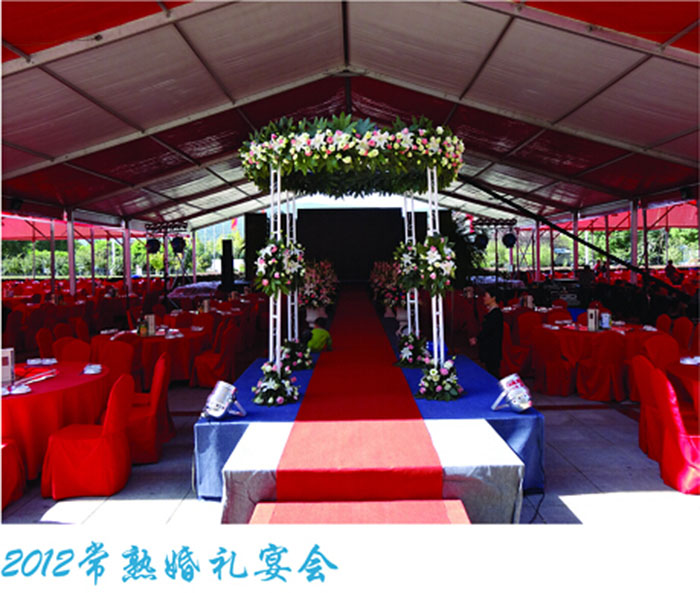
Create a grand entrance with fabric canopy extending 10 feet from tent, floral arch or greenery wall, and welcome sign on easel with fairy lights.
Flooring Options
Dance floor: 20x20 white LED dance floor for center
Aisle runner: Burlap or satin runner down center
Full coverage: Interlocking wood-look tiles for entire tent (rental: $2-4/sq ft)
Table Settings
Mix round tables (60" for 8-10 guests) with long farm tables, use varying heights: standard dining (30") and cocktail (42") tables, and layer linens: floor-length base with satin overlay.
Greenery and Florals
Hanging installations: Suspended floral clouds above dance floor
Centerpieces: Low arrangements for conversation flow
Corner features: Tall potted trees or floral walls in corners
Budget Tip: Focus your decoration budget on lighting and one "wow factor" element (like a floral ceiling installation) rather than trying to decorate everything equally.
Step 6: Essential Accessories Checklist
Don't forget these critical items:
Weather Protection
Sidewalls (clear vinyl for views, solid for privacy)
Heating units (for fall/winter: calculate 1 heater per 400 sq ft)
Fans or misting systems (for summer events)
Rain gutters for water runoff
Comfort and Convenience
Restroom trailer (1 per 50 guests minimum)
Generator (calculate total wattage needs)
Outdoor rug or flooring
Bug spray stations
Safety and Compliance
Fire extinguishers (check local regulations)
Emergency lighting
First aid kit
Event insurance (typically $200-500)
Step 7: Budget Planning Guide
Here's a realistic DIY wedding tent budget breakdown for 100 guests (40x40 tent):
Tent rental/purchase: $800-3,000 (30%)
Flooring and setup: $500-1,500 (15%)
Lighting and decor: $600-2,000 (25%)
Climate control: $300-800 (10%)
Restrooms and utilities: $400-1,000 (15%)
Contingency (10%): $260-830 (5%)
TOTAL: $2,860-9,130 (100%)
Compare to traditional venue: Average wedding venue costs $10,000-15,000 in 2026, making DIY tent weddings a 40-60% savings.
Step 8: Weather Contingency Planning
Outdoor weddings require backup plans:
Rain Plan
Order tent sidewalls even if forecasting is clear, elevate tent 6-12 inches if heavy rain expected, create covered walkway from parking to tent, and have umbrellas available for guest photos.
Wind Protection
Use extra stakes and weights (double for winds over 15 mph), choose frame tents over pole tents for windy locations, and secure all decorations with fishing line or zip ties.
Temperature Control
Hot weather: Rent fans, provide shade areas, offer cold beverages on arrival
Cold weather: Calculate heating needs (typically 40-60 BTU per sq ft), use sidewalls, provide blankets
Step 9: Permits and Regulations
Before you DIY, check these requirements:
1. Building permits: Required for tents over 400 sq ft in most jurisdictions
2. Fire marshal inspection: Needed for tents with sidewalls or over 700 sq ft
3. Noise ordinances: Check local sound restrictions and curfews
4. Parking requirements: Some areas require 1 space per 2-3 guests
5. Alcohol permits: Required if serving alcohol (even if BYOB in some areas)
Timeline: Apply for permits 60-90 days before your wedding date.
When to Call in the Pros
While DIY saves money, know when to hire help:
Hire professionals for:
- Tents larger than 40x80
- Complex installations on slopes or uneven ground
- Electrical work beyond basic generator setup
- If your venue requires licensed vendors
Hybrid approach: Buy or rent the tent yourself, but pay for professional setup ($300-800) to ensure safety and peace of mind.
Real DIY Wedding Tent Success Stories
Sarah and Mike (150 guests, 30x50 tent)
"We bought a used aluminum frame tent for $2,500, spent $800 on decorations from Amazon and Etsy, and recruited 8 friends for setup. Total cost: $4,200 vs. $12,000 quoted for a venue. Best decision ever!"
Jessica and Tom (50 guests, 20x30 tent)
"We rented a 20x30 outdoor waterproof wedding tent for $650, added string lights ($150), and draped fabric from IKEA ($200). Our backyard wedding felt like a destination venue."
Your DIY Wedding Tent Timeline
6-12 Months Before:
- Determine guest count and budget
- Research tent sizes and types
- Check permit requirements
- Book tent rental or purchase
3-6 Months Before:
- Order decorations and lighting
- Plan floor layout
- Hire any professional help needed
- Purchase insurance
1 Month Before:
- Confirm delivery/setup details
- Create detailed setup timeline
- Assign tasks to helpers
- Prepare weather contingency plan
1 Week Before:
- Final weather check
- Confirm all rentals and deliveries
- Pack setup toolkit
- Brief your volunteer team
Final Thoughts: Is DIY Right for You?
A DIY wedding tent is perfect if you:
Have a budget-conscious mindset
Enjoy creative projects and planning
Have reliable help from friends/family
Want complete creative control
Are comfortable with some risk and problem-solving
Not ideal if you:
Have less than 3 months to plan
Don't have a backup plan for weather
Prefer to be a guest at your own wedding
Have no experience with event planning
Conclusion
Whether you choose a 20x20 outdoor wedding tent for an intimate celebration or a 40x80 waterproof wedding tent for a grand affair, the key is planning, preparation, and having realistic expectations.
Remember: The most beautiful weddings aren't about the biggest budget—they're about creating meaningful moments in a space that reflects who you are as a couple. A DIY wedding tent gives you that freedom.
Next Steps:
1. Calculate your guest count and ideal tent size
2. Get quotes from 3-4 rental companies or research purchase options
3. Create your decoration mood board
4. Start recruiting your setup crew
Your dream outdoor wedding is absolutely achievable with a DIY tent. Start planning today, and you'll create memories that last a lifetime—plus, you'll have an amazing story to tell!