

How much wind can a party tent withstand
When planning an outdoor event, a party tent is often the centerpiece of the celebration, offering shelter from the elements and creating a defined space for guests. However, one critical question arises: How much wind can a party tent withstand before it becomes unsafe? The answer depends on several factors, including the tent’s design, materials, anchoring methods, and environmental conditions. Understanding these variables is essential for ensuring guest safety and protecting your investment.
1.Tent Design and Structure
Party tents come in various designs, each with unique wind-resistance capabilities. The most common types include:
Pop-Up Canopies: Lightweight and portable, these tents are ideal for casual gatherings but offer minimal wind resistance. Typically, they can withstand winds up to 20-25 mph (32-40 km/h) when properly secured. Beyond this, their flimsy frames and fabric may buckle or collapse.
Pole Tents: Supported by center poles and staked ropes, pole tents are more stable than pop-ups. They can handle winds up to 30-35 mph (48-56 km/h) if anchored correctly. However, uneven terrain or poor staking can reduce their resilience.
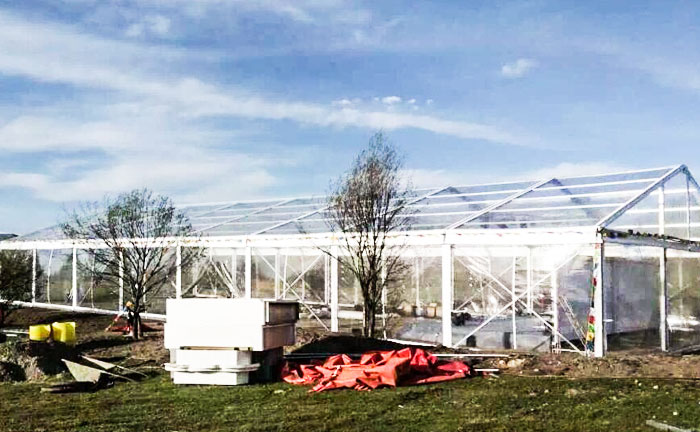
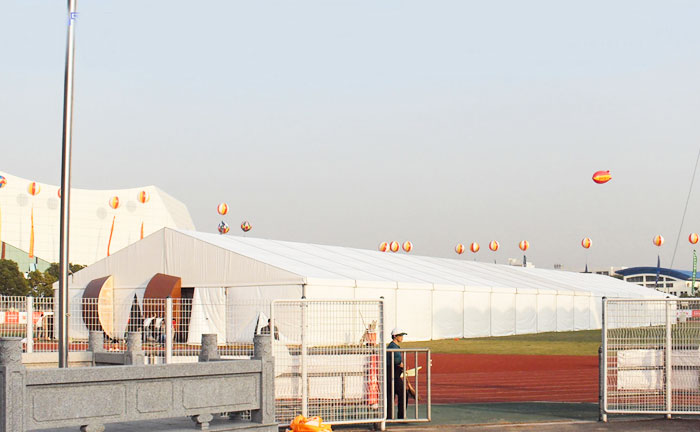
Frame Tents: These feature a rigid metal framework without center poles, distributing stress more evenly. Frame tents are suitable for winds up to 40-45 mph (64-72 km/h) when reinforced with heavy-duty anchors.
High-Wind Tents: Designed for extreme conditions, these structures use reinforced materials, aerodynamic shapes, and deep anchoring systems. They can withstand winds exceeding 60 mph (97 km/h), making them suitable for coastal or storm-prone areas.
2.Material Quality
The durability of a party tent depends on its fabric and frame materials:
Fabric: Polyester and vinyl are common choices. Polyester is lightweight but less resistant to tearing in high winds. Vinyl, while heavier, offers superior strength and waterproofing, making it better suited for windy environments.
Frame: Aluminum frames are lightweight and corrosion-resistant but may bend in strong winds. Steel frames are heavier and more robust, providing better stability in gusty conditions.

3.Anchoring Methods
Proper anchoring is the most critical factor in wind resistance. Even the sturdiest party tent can fail if not secured correctly. Common anchoring methods include:
Stakes: Metal stakes driven into the ground are effective for soft soil. For rocky or paved surfaces, use sandbags or water barrels.
Guy Lines: These ropes extend from the tent’s corners to the ground, adding tension and stability. Ensure they are taut and angled away from the tent.
Weighted Bases: For frame tents, heavy bases or concrete blocks can prevent uplift.
A general rule is that a party tent requires at least 30-50 pounds (14-23 kg) of anchoring per leg, depending on wind speed forecasts.
4.Environmental Factors
Wind speed is not the only consideration. Other environmental elements affect a party tent’s performance:
Wind Gusts: Sudden bursts of wind can exert more force than sustained winds. Monitor local weather alerts for gust predictions.
Terrain: Open fields expose tents to unobstructed winds, while sheltered areas (e.g., near buildings or trees) reduce risk.
Temperature: Cold air is denser, increasing wind pressure on the tent. Combine this with snow or rain, and the load can become unmanageable.
5.Safety Precautions
To minimize risks:
Check Forecasts: Avoid setting up a party tent if winds are expected to exceed 30 mph (48 km/h).
Inspect Equipment: Ensure stakes, ropes, and frames are free of damage before use.
Lower the Tent: If winds pick up during an event, reduce the tent’s profile by lowering sidewalls or partially dismantling it.
Evacuate if Necessary: In extreme conditions, prioritize guest safety over protecting the tent.
Conclusion
The wind resistance of a party tent hinges on its design, materials, anchoring, and environmental context. While pop-up canopies may suffice for calm days, larger events demand sturdier frame or pole tents with robust anchoring systems. Always prioritize safety by selecting a party tent rated for your region’s typical weather conditions and securing it properly. Remember, no party tent is entirely windproof, but with careful planning and maintenance, you can ensure a safe and enjoyable outdoor celebration. By understanding the limits of your party tent and taking proactive measures, you can protect both your guests and your investment, turning any gathering into a memorable and secure event.