

Are storage tents worth it
In an era where space is at a premium and organization is key, storage solutions have become a necessity for homeowners, businesses, and outdoor enthusiasts alike. Among the myriad options available, storage tents have emerged as a flexible, cost-effective alternative to traditional storage methods. But are they truly worth the investment? This article explores the pros, cons, and practical considerations of storage tents to help you decide if they align with your needs.
What Are Storage Tents?
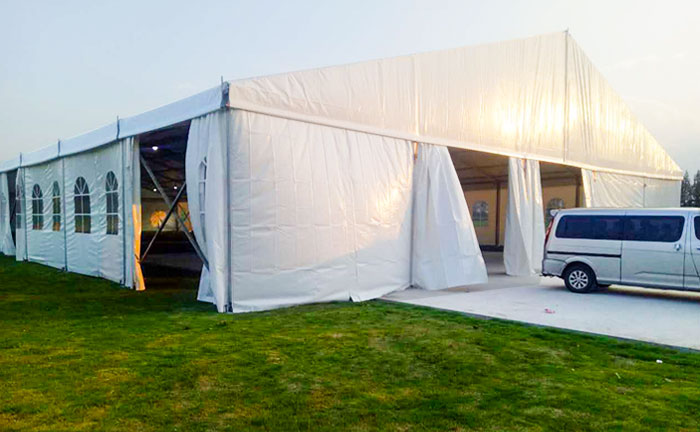
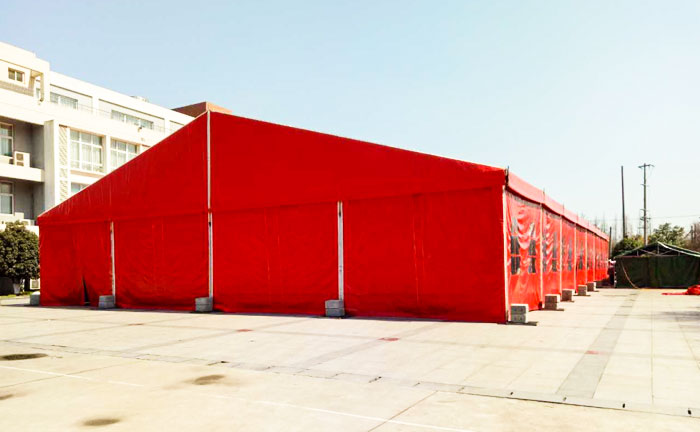
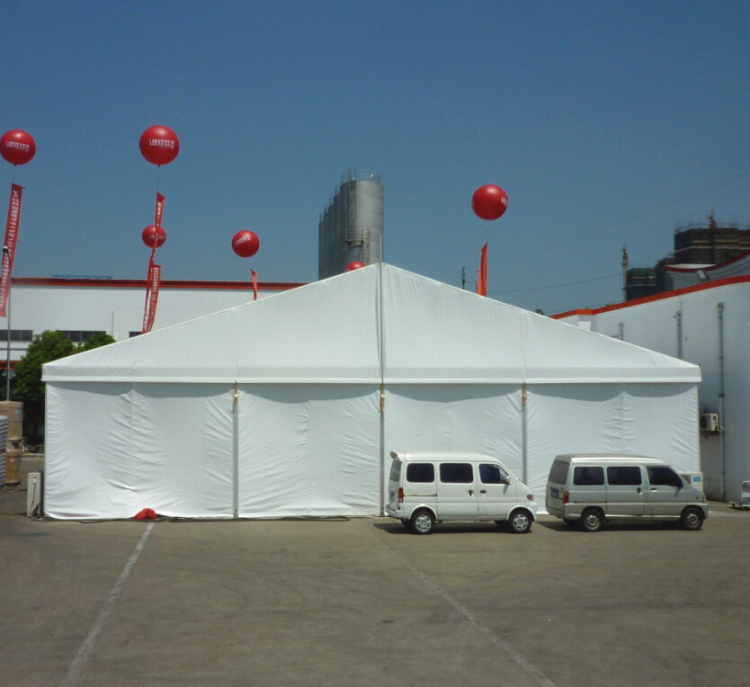
Storage tents are portable, semi-permanent structures designed to shield items from weather, dust, and pests. Typically constructed with durable materials like polyethylene or canvas and supported by metal or PVC frames, these tents come in various sizes, from compact units for garden tools to large-scale shelters for vehicles or equipment. Unlike permanent garages or sheds, storage tents are easy to assemble, disassemble, and relocate, making them ideal for temporary or seasonal use.
Advantages of Storage Tents
1.Cost-Effectiveness
Building a permanent structure like a shed or garage can cost thousands of dollars, not including permits or labor. Storage tents, by contrast, are significantly cheaper, with prices ranging from 100 to 1,000 depending on size and quality. For those on a budget, this affordability is a game-changer.
2.Portability and Flexibility
Storage tents are designed for mobility. Whether you’re renting a home, moving frequently, or need seasonal storage (e.g., for holiday decorations or patio furniture), these tents can be dismantled and transported with minimal effort. Their lightweight frames and modular designs also allow for easy reconfiguration.
3.Quick Setup
Unlike traditional construction projects that take days or weeks, storage tents can often be assembled in a few hours with basic tools. This makes them ideal for urgent storage needs, such as protecting furniture during a home renovation or storing farming equipment between harvests.
4.Weather Resistance
High-quality storage tents are built to withstand rain, snow, and UV rays. Many models feature reinforced seams, waterproof coatings, and vented roofs to prevent condensation. For those living in areas with harsh climates, these features ensure that stored items remain dry and undamaged.
5.Versatility
Storage tents aren’t limited to residential use. Businesses can utilize them to store inventory, tools, or machinery, while farmers might use them to house livestock feed or equipment. Their open-floor design also accommodates bulky items like ATVs, boats, or lawnmowers.

Disadvantages of Storage Tents
1.Durability Concerns
While storage tents are weather-resistant, they aren’t indestructible. Extreme winds, heavy snowfall, or prolonged sun exposure can degrade materials over time. Cheaper models may also tear or collapse under pressure, making it crucial to invest in a well-reviewed, heavy-duty option.
2.Security Risks
Unlike locked sheds or garages, storage tents offer limited protection against theft. Their fabric walls can be cut, and frames may be dismantled with basic tools. For valuable items like electronics or bicycles, additional security measures (e.g., padlocks, alarms) are often necessary.
3.Maintenance Requirements
Storage tents demand regular upkeep to prolong their lifespan. This includes cleaning the fabric, checking for mold or mildew, and reinforcing weak spots. Neglecting maintenance can lead to premature wear and tear, reducing the tent’s value over time.
4.Zoning and Aesthetic Limitations
Some municipalities have restrictions on temporary structures, requiring permits or limiting their size and placement. Additionally, storage tents may clash with a property’s aesthetic, potentially lowering curb appeal. Homeowners associations (HOAs) often enforce strict rules regarding their use.
When to Choose a Storage Tent
Storage tents are ideal for:
Short-term storage needs (e.g., during a move or renovation).
Renters or frequent movers who need a portable solution.
Budget-conscious individuals seeking an alternative to expensive construction.
Outdoor enthusiasts storing camping gear, bicycles, or seasonal equipment.
Businesses or farmers requiring flexible, scalable storage.
Conversely, they may not be suitable for:
Long-term storage of high-value items (consider a secure shed or storage unit).
Areas prone to extreme weather (unless investing in a heavy-duty model).
Properties with strict zoning or HOA regulations.
Conclusion: Are Storage Tents Worth It?
The answer depends on your specific circumstances. For those seeking an affordable, portable, and versatile storage solution, storage tents offer undeniable value. They excel in scenarios where flexibility, cost, and ease of use outweigh concerns about long-term durability or security. However, if you prioritize permanence, theft prevention, or aesthetic harmony, traditional storage methods might be more appropriate.
Ultimately, storage tents shine when used as intended: as temporary, adaptable shelters for items that need protection without the commitment of permanent construction. By carefully evaluating your needs, budget, and local regulations, you can determine whether a storage tent is the right investment for you. When chosen wisely and maintained properly, storage tents prove to be a practical and economical addition to any space-management strategy.
FAQ about storage tent:
1.Q: What is the maximum weight a storage tent can hold?
A: Most storage tents support 500-1,500 lbs depending on the model. Check the manufacturer’s specs for exact weight limits.
2.Q: Can storage tents withstand heavy rain or snow?
A: Yes, high-quality tents use waterproof and UV-resistant materials, but ensure proper anchoring to prevent collapse under heavy loads.
3.Q: How long does a storage tent typically last?
A: With proper care, a durable storage tent can last 5-10 years. Regular maintenance and storage during extreme weather extend its lifespan.
4.Q: Are storage tents easy to assemble and disassemble?
A: Yes, most models feature a tool-free design with clear instructions. Assembly usually takes 1-2 hours for two people.
5.Q: Can I use a storage tent on uneven ground?
A: Yes, but use leveling blocks or adjust the leg heights. Avoid steep slopes to maintain stability and prevent water pooling.
6.Q: Do storage tents require ventilation?
A: Yes, proper airflow prevents condensation and mold. Look for tents with mesh windows or vents for better circulation.
7.Q: Can I install heating or cooling inside a storage tent?
A: Yes, but use portable, low-power devices. Avoid open flames or high-wattage heaters to prevent fire hazards.
8.Q: Are storage tents suitable for long-term outdoor storage?
A: Yes, if made of reinforced materials like polyester or PVC. Add a tarp for extra protection against sun and rain.
9.Q: How do I secure a storage tent against theft?
A: Use heavy-duty locks on zippers, anchor the tent to the ground, and consider alarms or motion-activated lights for added security.
10.Q: Can I customize the size or color of a storage tent?
A: Some manufacturers offer customization options. Contact the supplier to discuss size, color, or additional features like doors/windows.